UK Calls Emergency Global Talks as Hormuz Shipping Crisis Threatens World Oil Flow
The UK is hosting emergency talks on rising threats to shipping in the Strait of Hormuz. The waterway carries about 20% of global oil, making disruptions a global concern. Africa could face higher fuel prices and economic pressure if instability continues.
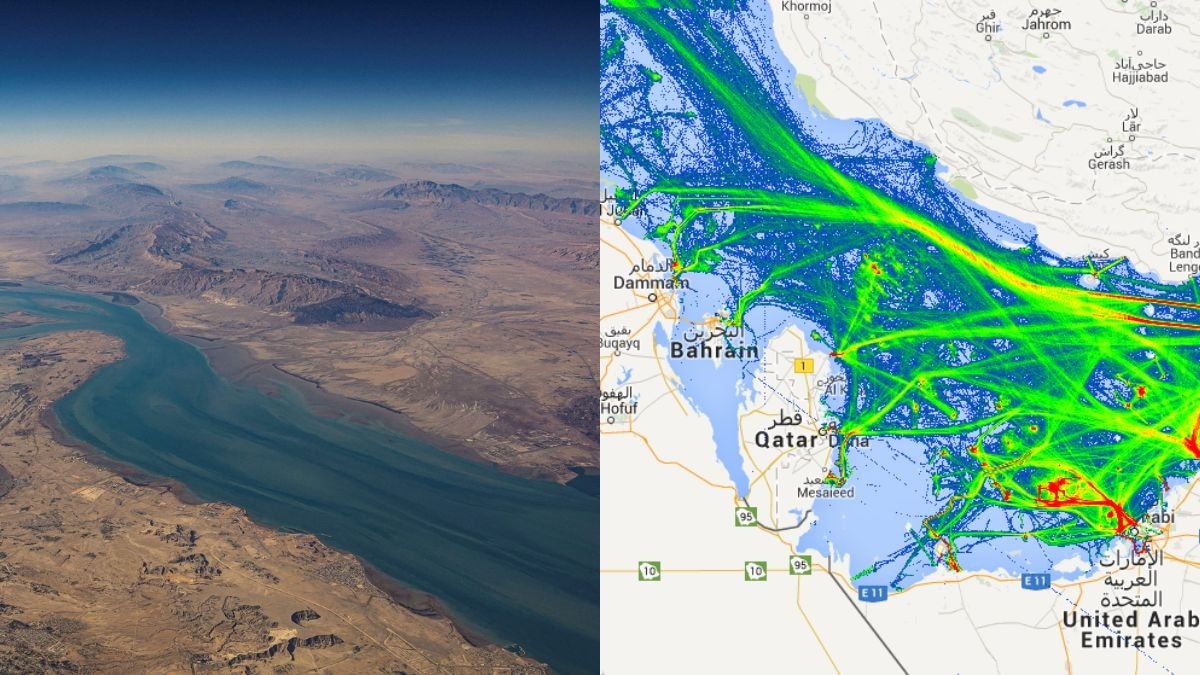
The United Kingdom is set to host a high-level international meeting this Thursday, bringing together multiple nations to address escalating threats to shipping in the Strait of Hormuz—a critical artery for global oil transport. The emergency talks come amid rising tensions that are beginning to shake energy markets worldwide.
The meeting will include representatives from key maritime and energy-dependent nations across Europe, the Middle East, and beyond. Governments are expected to discuss coordinated naval responses, intelligence sharing, and strategies to ensure the uninterrupted flow of commercial vessels through the narrow but vital shipping lane.
The Strait of Hormuz, located between Iran and Oman, handles roughly 20% of the world’s oil supply, making it one of the most important chokepoints in global trade. Any disruption in this corridor has immediate ripple effects on fuel prices, supply chains, and economic stability across continents.
Recent incidents—including vessel seizures, drone threats, and increased military presence—have raised alarm among global powers. Shipping companies have begun rerouting or delaying cargo, while insurance premiums for vessels operating in the region have surged significantly.
The UK’s decision to convene this meeting reflects growing urgency among Western and allied nations to stabilize the situation before it escalates further. Officials are particularly concerned about the risk of miscalculation, where isolated incidents could trigger broader conflict involving multiple countries.
Energy analysts warn that prolonged instability in the Strait could lead to sharp increases in global oil prices. Countries in Africa, many of which rely heavily on imported fuel, could face rising transportation costs, inflation, and pressure on already fragile economies.
For Africa, the implications go beyond fuel. Higher shipping costs could affect imports of essential goods, while also impacting exports—especially for countries that depend on maritime routes to trade with Asia and Europe. The situation highlights Africa’s vulnerability to external geopolitical shocks despite being resource-rich.
The talks are also expected to explore long-term solutions, including diversifying energy routes and strengthening maritime security partnerships. Some nations are pushing for a more permanent international naval presence to deter future threats and protect commercial shipping lanes.
As the world watches closely, Thursday’s meeting could mark a turning point. Whether it leads to coordinated global action or exposes deeper divisions among nations will determine not only the stability of the Strait of Hormuz, but also the future of global energy security.
UK Calls Emergency Global Talks as Hormuz Shipping Crisis Threatens World Oil Flow