UNLOCK SPAZA BILLIONS: THE TOWNSHIP ECONOMY GOLDMINE FARMERS ARE MISSING
— Mary Ene
Renowned author and Kasinomics expert GG Alcock told delegates at the African Farming Agri-Development Imbizo 2026 that South African farmers are leaving billions on the table by ignoring the township economy. Worth between R1 trillion and R2.3 trillion annually, South Africa's informal kasi market…
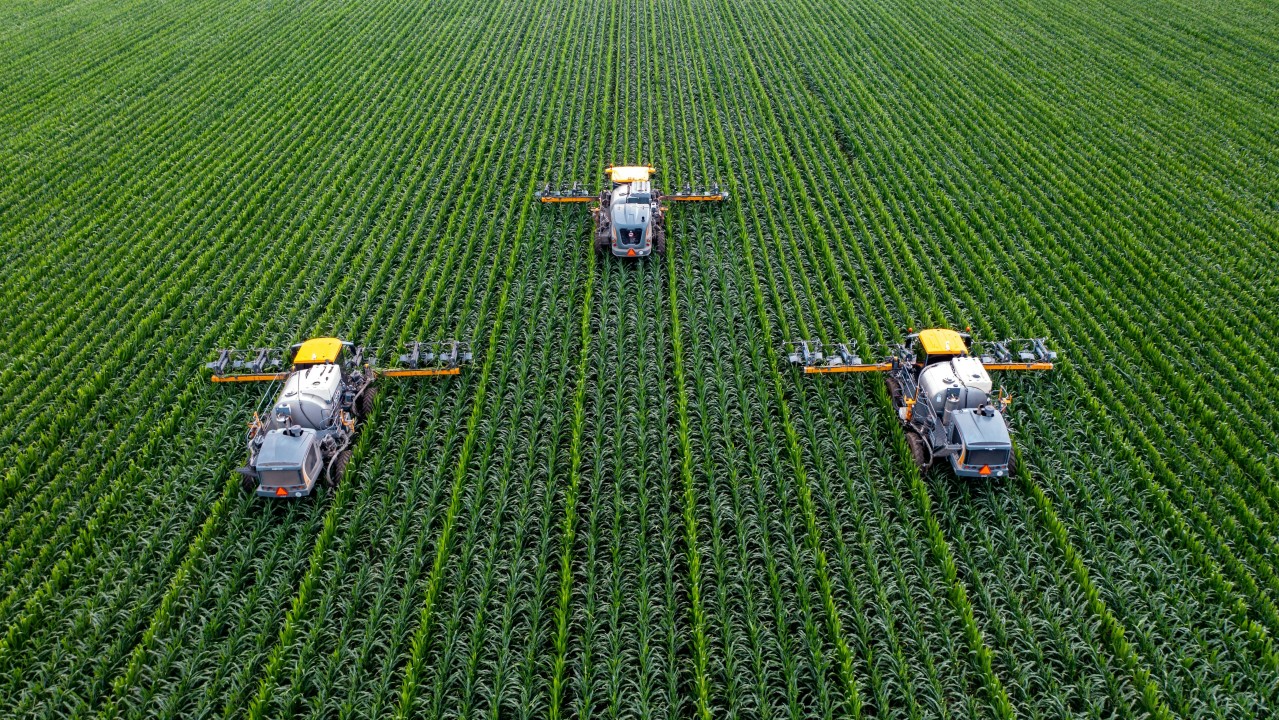 South African farmers are chasing Pick n Pay while a R2 trillion market in their own backyard goes unserved and GG Alcock has the numbers to prove it.
Alcock's presentation, titled "Kasinomics: The hidden opportunities behind the informal kasi market," painted a vivid picture of a massive, fast-moving, digitising economy that most commercial farmers have never seriously engaged with. The township economy is not a niche or a charity project — it is a vast commercial ecosystem with its own supply chains, distributors, price signals and growth trajectory. Farmers who understand it will find opportunities that formal retail cannot offer them at this stage of their careers.
The goat sector is Alcock's sharpest example. It is worth R3 billion a year in South Africa, with 82% of the national goat herd owned by small black farmers. Yet South Africa still imports approximately 300,000 goats annually worth around R500 million because domestic supply cannot meet demand. This is not a market failure. It is a coordination failure, and one that farmers with existing goat expertise and community connections are ideally placed to fix.
The scale of informal trade is hard to overstate. The Johannesburg fresh produce market turns over around R9 billion a year, with roughly 60% of that turnover driven by informal traders who redistribute fresh produce through township networks every day from before dawn. Around 70,000 point-of-sale devices in spaza shops and taverns generate approximately R2 billion a month in turnover. Card usage in these outlets reached 42% of transactions in 2023 making formal supplier relationships increasingly viable and safe.
Alcock's advice to farmers was direct: do not try to break into formal retail chains before you have established your informal market position. "Don't try to get into Pick n Pay first," he told the audience. "Build relationships with spaza owners, quarter outlets and local redistributors. Find the guy who owns the trolleys the local distributor serving multiple outlets." The township market rewards reliability, consistency and relationship-building over packaging and branding.
The digital transformation of township commerce, Alcock argued, makes this the right moment to act. Spaza shops are rapidly integrating digital payments and mobile money, reducing the cash transaction risks that previously deterred formal suppliers. Farmers who enter this market now — before large agribusiness discovers and formalises it will find both margin and loyalty that formal retail has long since competed away.
UNLOCK SPAZA BILLIONS: THE TOWNSHIP ECONOMY GOLDMINE FARMERS ARE MISSING