U.S. Backs $414 Million Niger Uranium Project as Washington Rebuilds Sahel Ties
— Afridiaspo Newsroom
The United States has approved up to $414 million in financing for Global Atomic’s Dasa uranium project in Niger, a strategic critical-minerals investment.
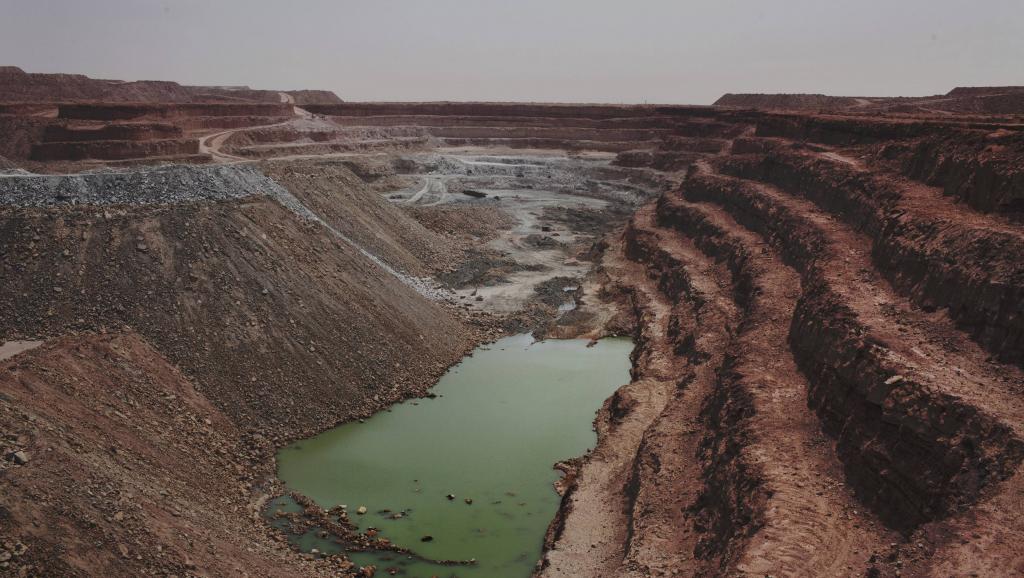
The United States has approved financing of up to $414 million for Global Atomic’s Dasa uranium project in Niger, marking a major attempt to rebuild commercial ties with the Sahel country two years after U.S. troops left.
The financing would support development of a deposit that Global Atomic describes as one of Africa’s highest-grade uranium resources. It also fits Washington’s effort to secure supplies of minerals used in nuclear energy and reduce dependence on a small number of foreign producers.
A commercial deal with diplomatic weight
Niger’s 2023 military coup badly strained relations with the United States and other Western partners. The country later deepened security cooperation with Russia, while French nuclear company Orano entered a dispute with Niger’s authorities after losing control of key mining assets.
The Dasa package therefore carries meaning beyond a single mine. If completed, it could reopen a channel for U.S.-Niger economic cooperation and provide Niger with new investment, jobs, infrastructure and export revenue.
The risks have not disappeared
The project remains exposed to political uncertainty, militant violence across the Sahel and difficult transport logistics. Global Atomic has explored alternatives to traditional export routes, including movement through Algeria, as regional instability complicates supply chains.
Financing approval is also not the same as a finished mine. Construction milestones, security arrangements, environmental safeguards, community agreements and export access will determine whether the promised value reaches Nigerien workers and communities.
Why Africans should watch the ownership question
Uranium is becoming more strategically important as governments revisit nuclear power and energy security. For Niger, the central policy issue is not only whether capital arrives, but how contracts divide risk, taxes, local procurement, processing opportunities and long-term value.
A strong outcome would combine investment with transparent revenue management, enforceable environmental protection and meaningful participation by Nigerien businesses and professionals.
Source: Reuters, September 17, 2026.
Image credit: PressAfrik archive. Tamgak uranium mine near Arlit, Niger.
U.S. Backs $414 Million Niger Uranium Project as Washington Rebuilds Sahel Ties