Varandapo: The Island Remembered in Igbo Family History
— Afridiaspo Editorial
Explore the Igbo connection to Fernando Pó, now Bioko, alongside histories of settlement in Cameroon and liberated Africans in Sierra Leone.
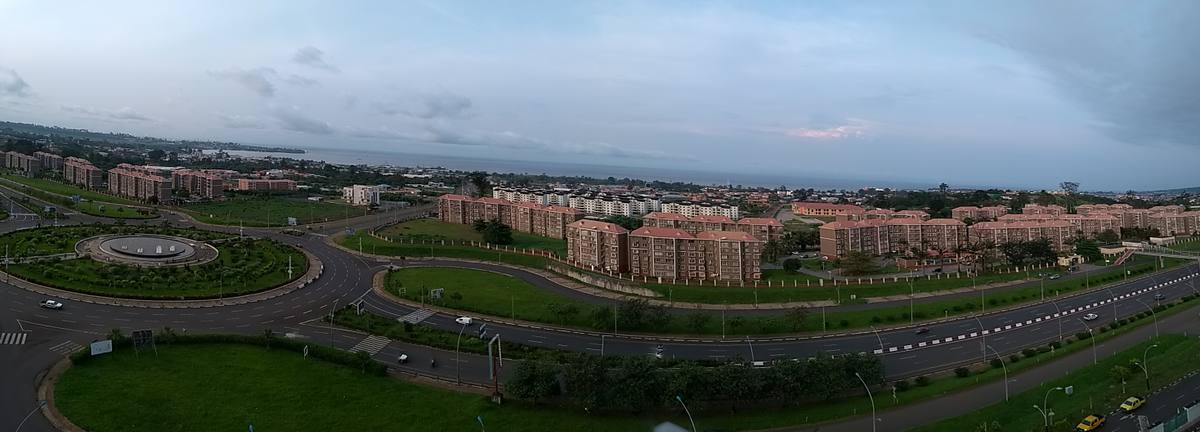
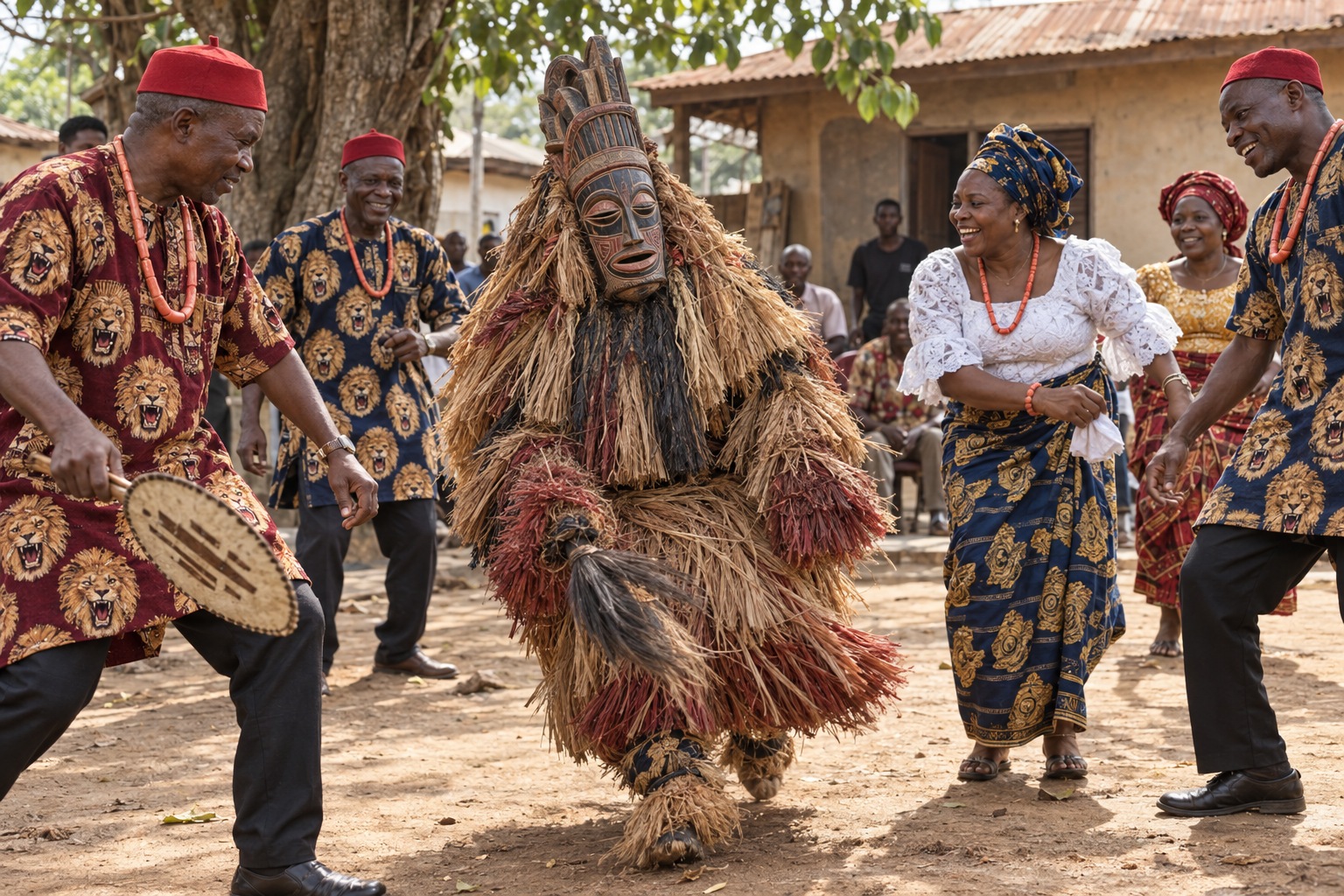
Across the water and beyond Nigeria’s borders, the Igbo story follows routes of work, trade and forced displacement.
Varandapo. The name points to a place beyond Nigeria, but it appears in Igbo-language material: an adaptation associated with Fernando Pó, the island now called Bioko in Equatorial Guinea.
“Varandapo” appears in an Igbo teaching presentation; informal accounts also use “Farandapo.” The spelling varies. The connection opens a larger historical question: what took Igbo people to this island, and what happened to the communities they established there?
The answers lead through plantation labour, recruitment networks, persecution and expulsion. They also extend beyond Bioko—to neighbouring Cameroon and to Sierra Leone, where Igbo-speaking people were among Africans resettled after their removal from intercepted slave ships.
These are distinct histories of movement and belonging. They establish Igbo presence beyond Nigeria without establishing indigenous Igbo homelands in every destination.
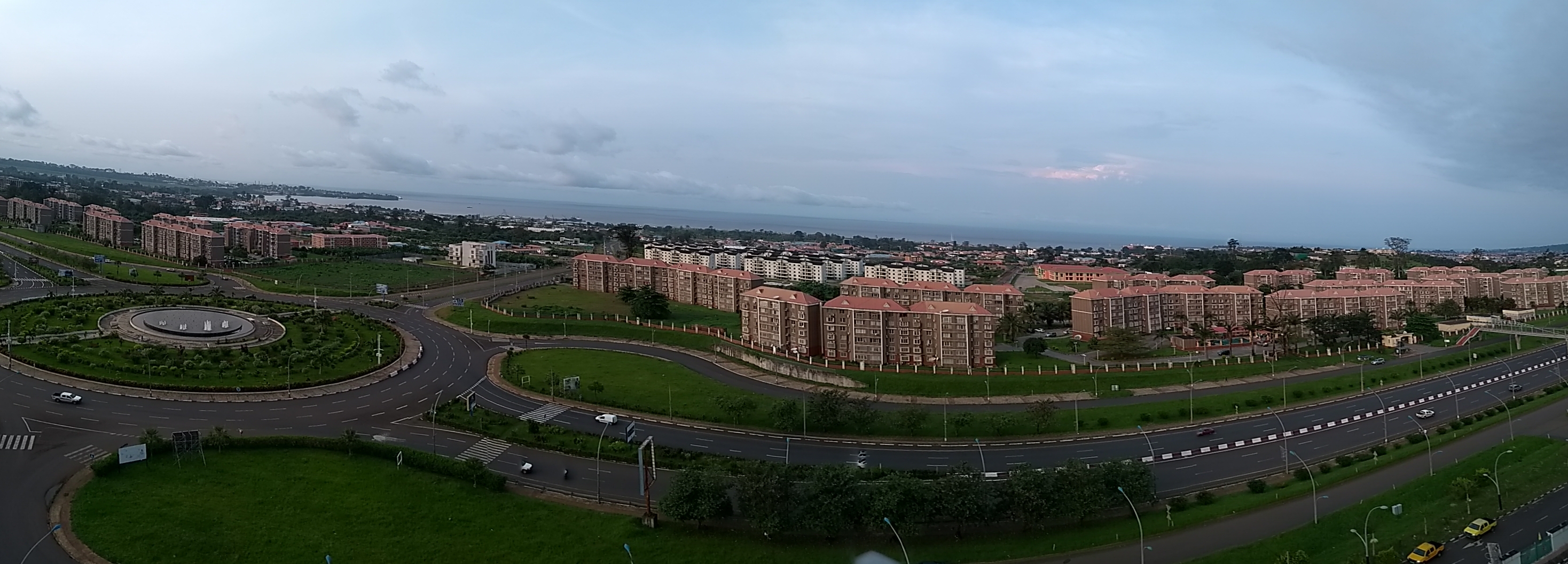

Varandapo: Across the Water to Fernando Pó
For workers leaving southeastern Nigeria, Fernando Pó formed part of a regional labour economy connecting communities across the water.
Historian Enrique Martino traces clandestine recruitment networks operating between 1926 and 1945. His research connects the island’s plantation labour demands with recruiters and intermediaries around the Bight of Biafra, including routes through Calabar. It also examines pressures in Igbo communities that made wage work elsewhere attractive.
Those journeys cannot be reduced to a familiar success story about travelling abroad and earning money. Recruitment included arrangements outside official channels, while the colonial plantation economy placed workers in conditions of unequal power.
The island’s demand for labour connected it to people’s lives on the mainland. For Igbo history, Fernando Pó belongs to the wider account of how people sought livelihoods—and how employers and colonial institutions shaped the opportunities available to them.
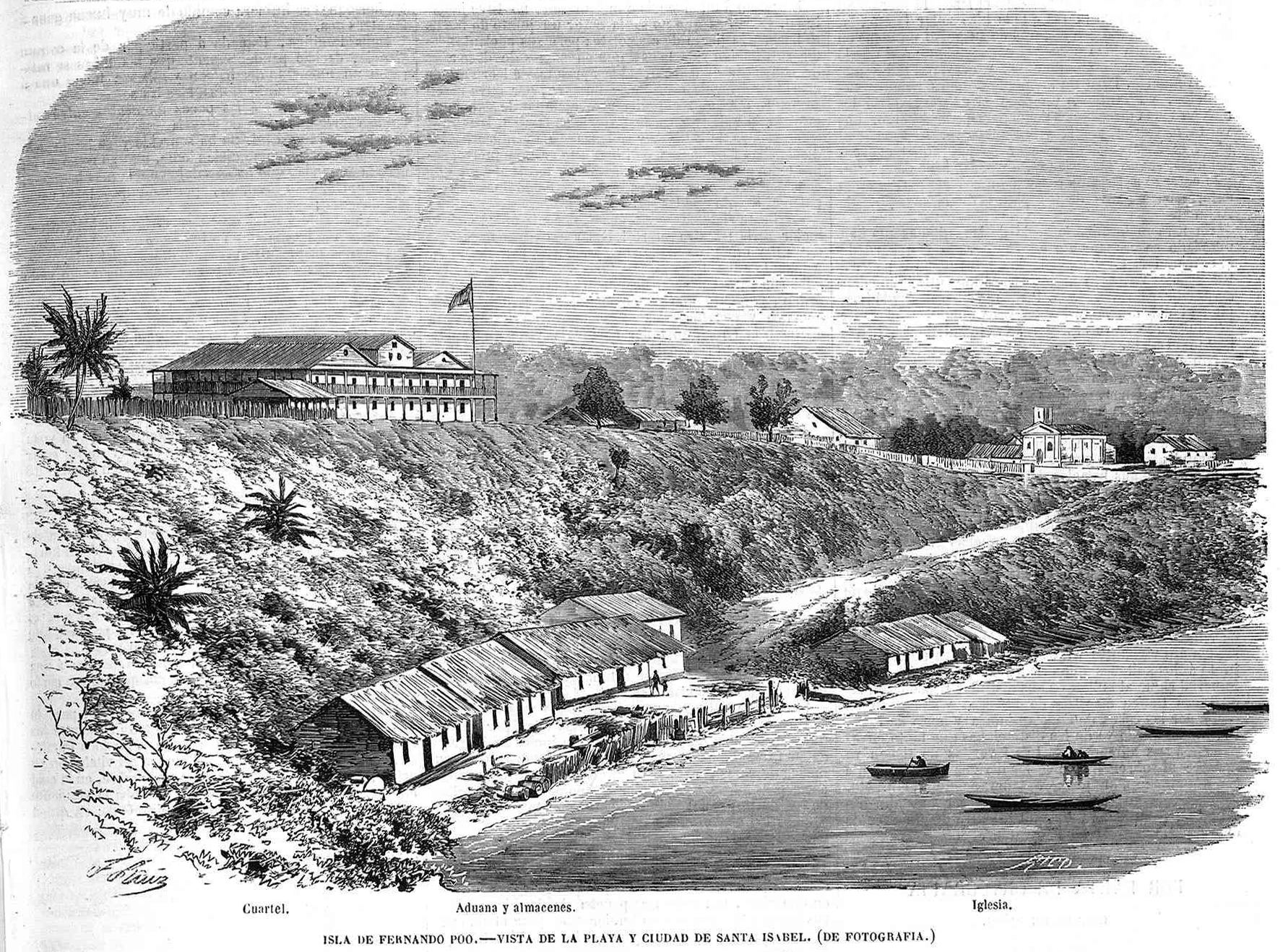

When a Place of Work Became a Place of Danger
By the mid-1950s, many Nigerian labourers were travelling to Fernando Pó. Researcher Praise Funmilola Owojuyigbe identifies most of the migrants in that movement as Igbo.
Her historical investigation follows their activities under Spanish colonial rule and examines persecution and expulsions during a period ending in 1979, when the rule of Francisco Macías Nguema came to an end.
The connection carries a difficult history. People who crossed the water for work later faced hostility and displacement. Any account of Varandapo must make room for those experiences alongside the search for opportunity.
It must also preserve the island’s own identities. Owojuyigbe’s research distinguishes Igbo migrants from Equatorial Guinea’s other communities, including the Fang, Bubi, Ndowe and Fernandinos. Igbo settlement is part of the country’s history; it does not replace the histories of the people already rooted there.
Cameroon: Neighbours and Shifting Borders
The Cameroon story follows another route: movement between neighbouring regions whose relationships cannot be understood solely through today’s national boundaries.
Historical research published in 2023 documents interactions between Igbo people in eastern Nigeria and communities in Southern Cameroon before the establishment of the international border. Colonial administration subsequently changed the conditions and patterns of that movement.
The study covers 1916–2014, placing Igbo settlement within a history of interaction with Southern Cameroonian neighbours rather than treating it as an isolated arrival in an unfamiliar country.
Trade, settlement and sustained contact can create deep connections while communities retain their own identities. The evidence supports a history of Igbo people living and working in Cameroon. It does not justify reclassifying neighbouring Cameroonian peoples as Igbo.

Sierra Leone: A Diaspora Born of Displacement
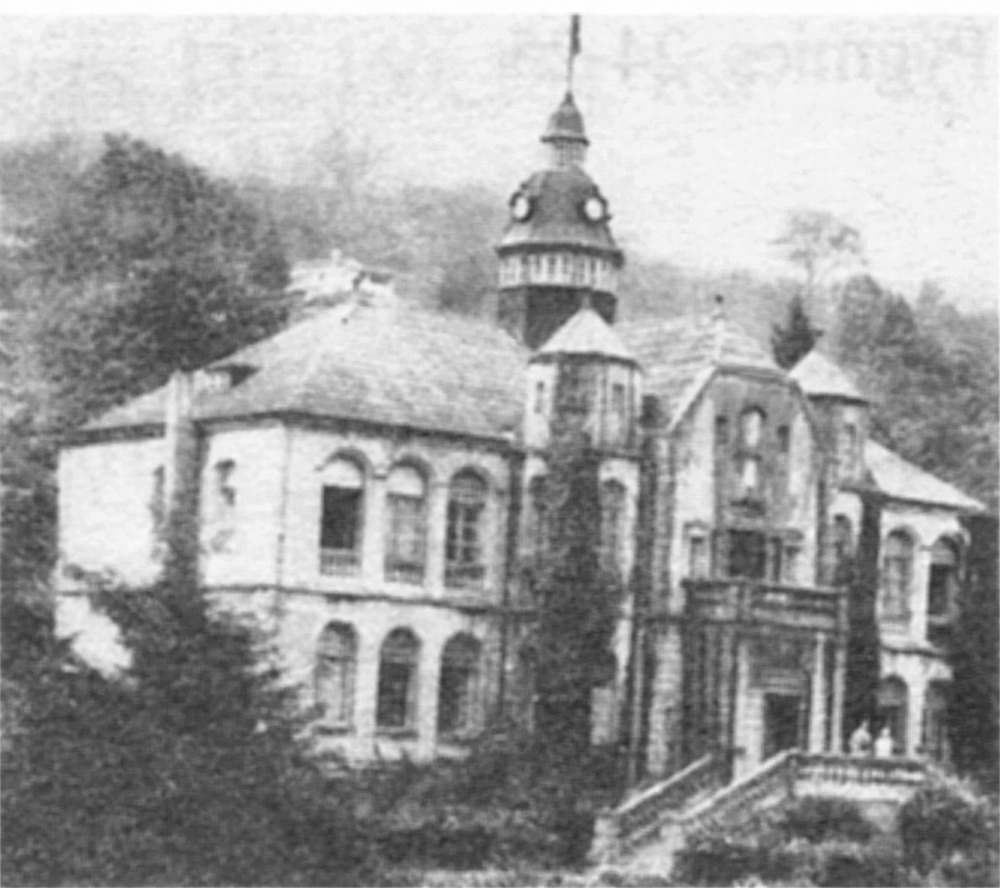
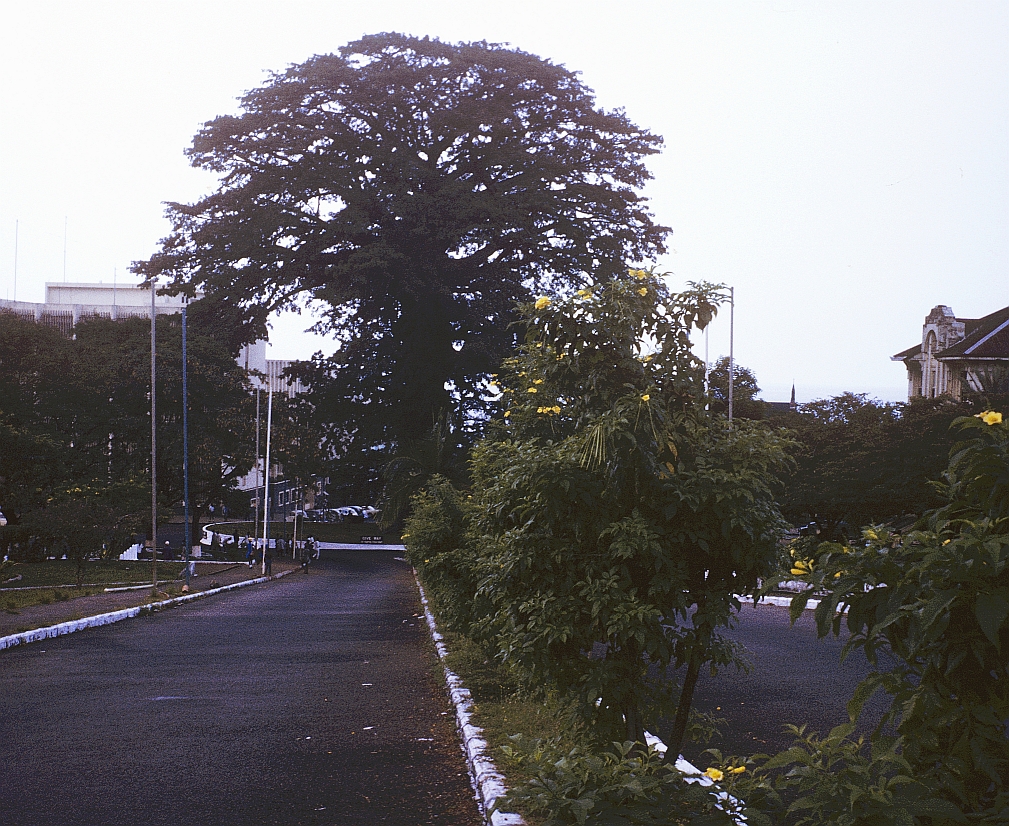
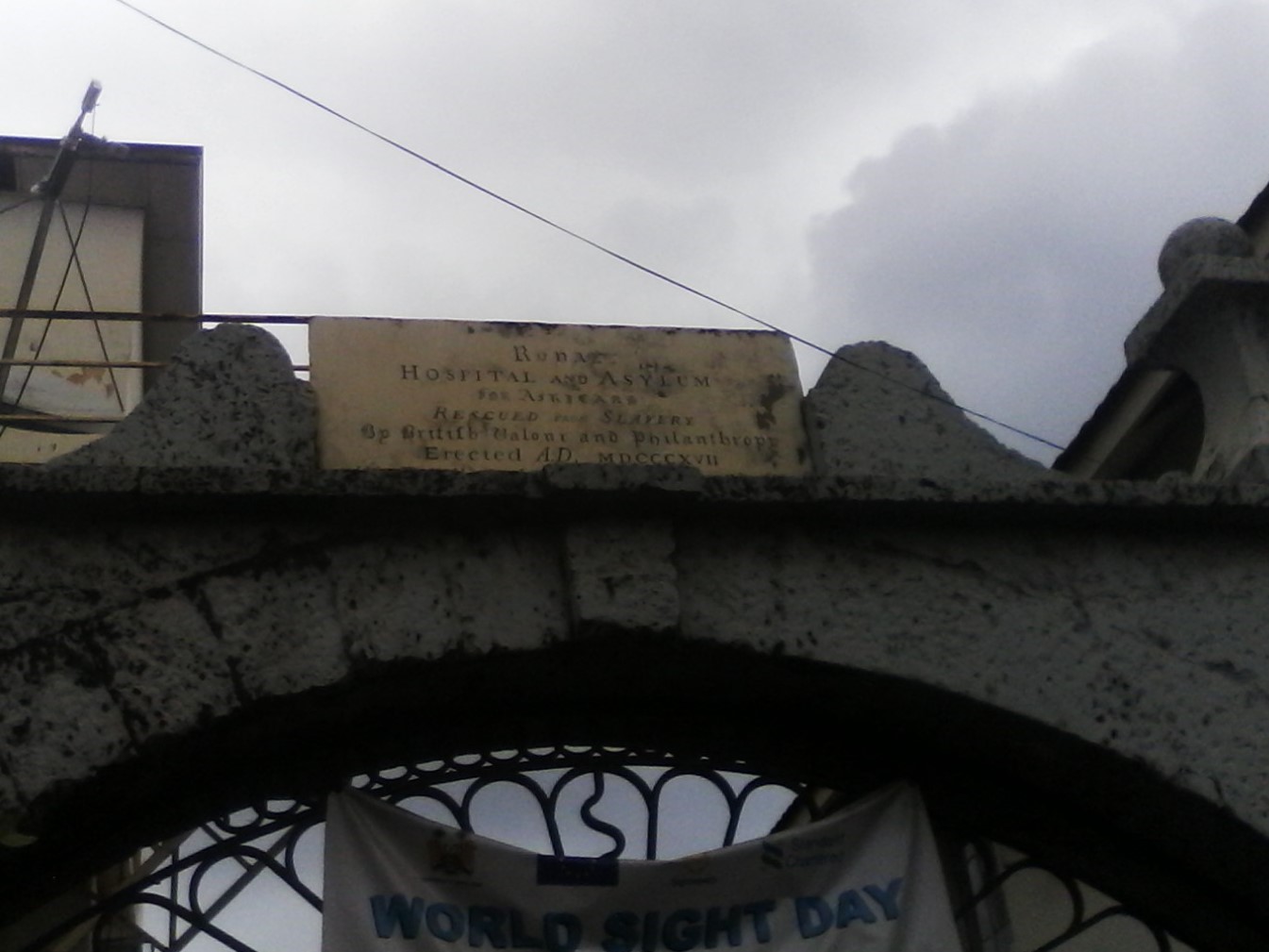
Sierra Leone’s connection begins with a different kind of journey. Igbo-speaking people were among the Africans brought there after slave ships were intercepted in the nineteenth century.
Historian Richard Anderson, drawing on records of liberated Africans in Abolition in Sierra Leone, identifies Igbo speakers alongside Yoruba, Gbe, Hausa, Mende and Efik speakers among the principal groups represented.
Their arrival was a consequence of enslavement and forced movement. Settlement in Sierra Leone became another stage in lives already disrupted.
Anderson also documents an Igbo “nation” among communities through which liberated Africans organised their identities and political life. In this setting, the term describes a historical community grouping—not a sovereign state.
This history widens the meaning of African diaspora. Displacement created new African communities within the continent as well as across the Atlantic. Historical origin, however, does not establish that all descendants retained the language or identify as Igbo today.


Three Routes, One Wider History
- Bioko: labour migration to Fernando Pó, followed by documented persecution and expulsions.
- Cameroon: settlement and relationships shaped by proximity, movement and colonial borders.
- Sierra Leone: forced displacement through the slave trade, followed by resettlement and community formation.
Together, these histories show why Igbo experience cannot be contained within Nigeria’s borders. They also show why migration, ancestry and indigenous status must be examined separately.
The Records Lead Back to Families
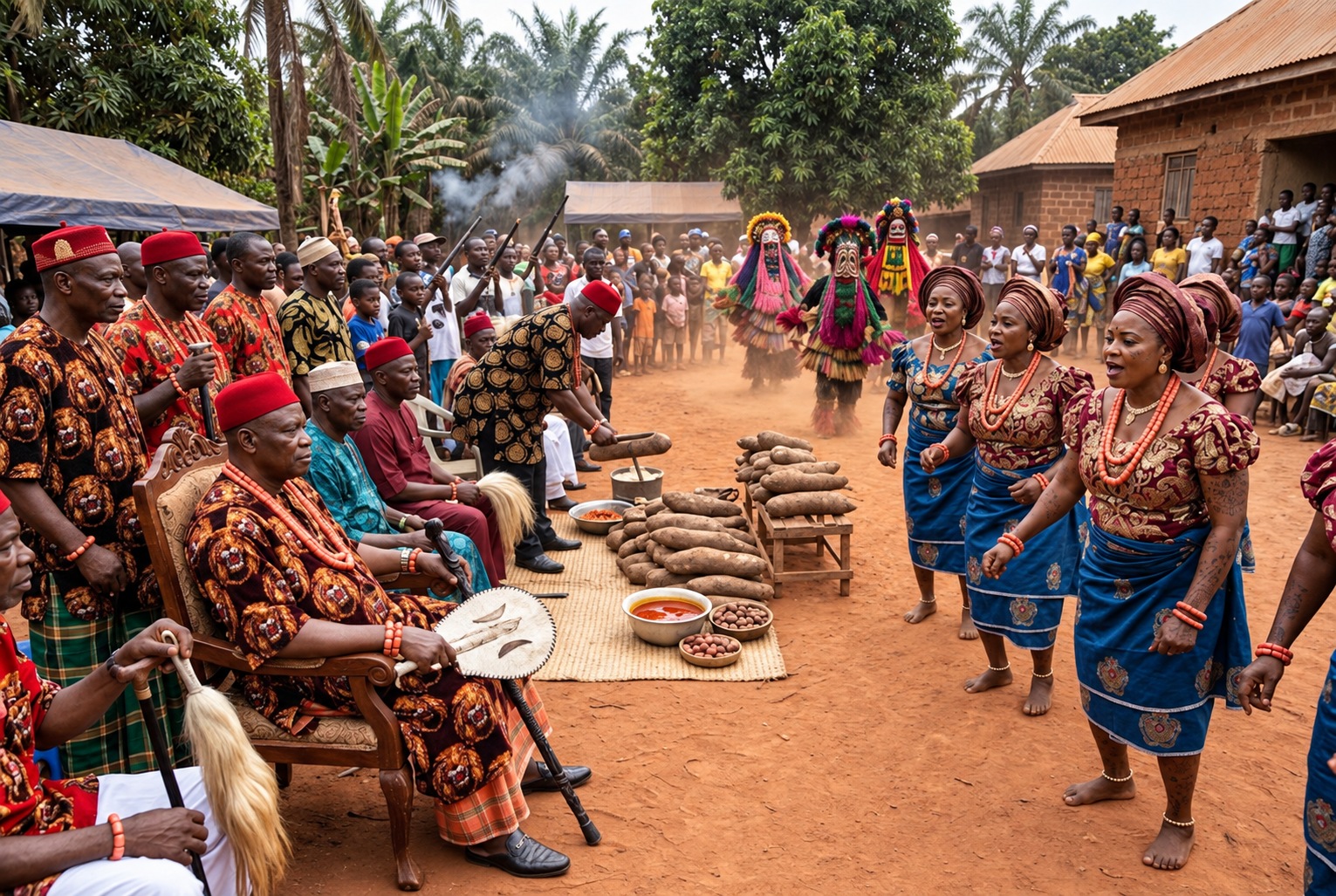
The historical records establish routes, institutions and patterns. The next questions concern particular people.
Who travelled to Fernando Pó? Who returned? Which families kept letters, photographs or employment documents? How did people pronounce Varandapo, and what did the name mean in their households?
Those answers require family testimony supported, where possible, by records. They have not yet been collected for this feature. Descendants, returnee families and readers with relevant documents can help recover names, places, dates and experiences that broad accounts cannot supply.
Beyond the Name
Varandapo is a starting point for understanding an African history of movement—people crossing water and borders, entering unfamiliar labour systems, forming communities and sometimes being forced to leave.
The documented connections to Bioko, Cameroon and Sierra Leone deserve to be told with their differences intact. Their significance does not depend on declaring every destination an ancestral homeland.
The records show that Igbo people were there. The next task is to recover whose lives those records describe—and how their families remember them.
Editorial note: Based on published historical research. Direct family interviews remain outstanding. Evidence for the vernacular name comes from teaching material and informal usage, not a verified standard-language dictionary.