Your Walk Counts: A Four-Week Plan for Busy Diaspora Lives
A practical, flexible four-week walking plan starts with ten minutes. It explains what counts as a brisk walk and accommodates work, caregiving, and safe routes.
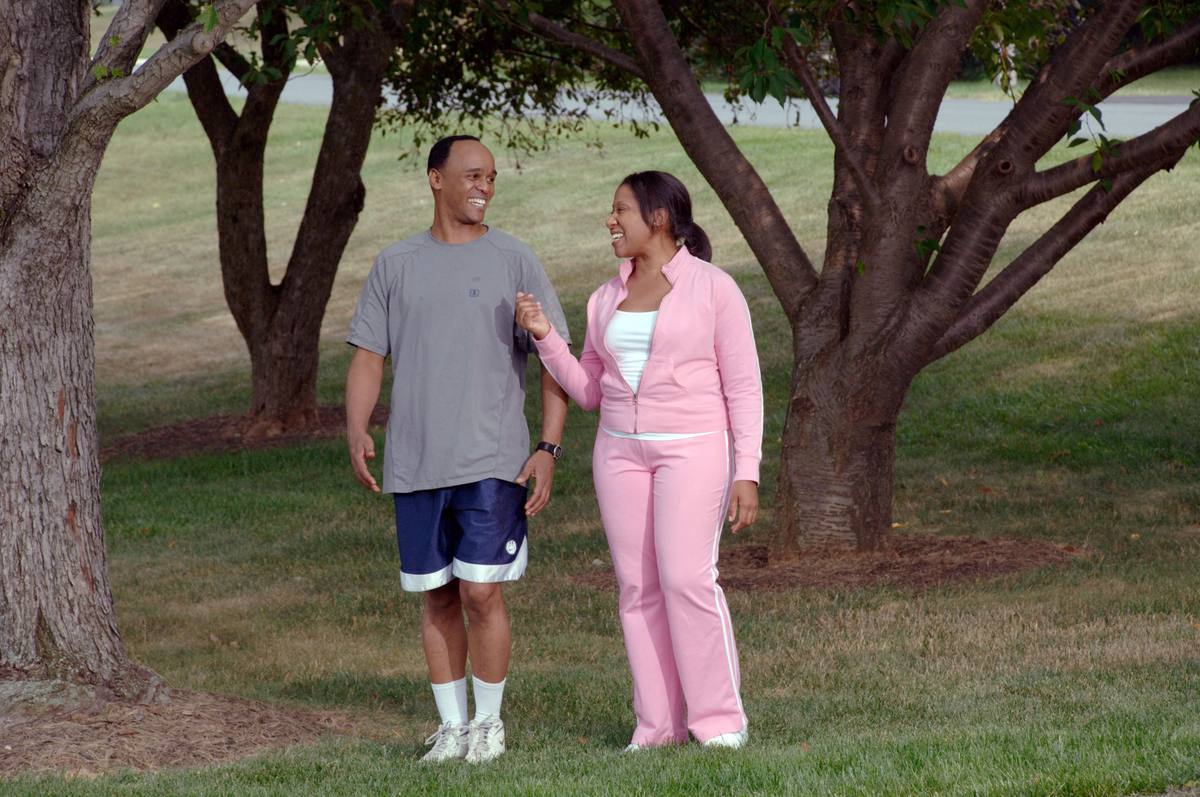
A walk can be a health habit even when it begins as an errand. You might walk to the bus, circle a market, collect a child or meet a friend. For many Africans and people in the diaspora, that movement sits inside a day already crowded with work, caregiving and travel. The useful question is not whether you own a step counter. It is whether you can turn some of the walking you already do into a repeatable stretch at a pace that suits your body.
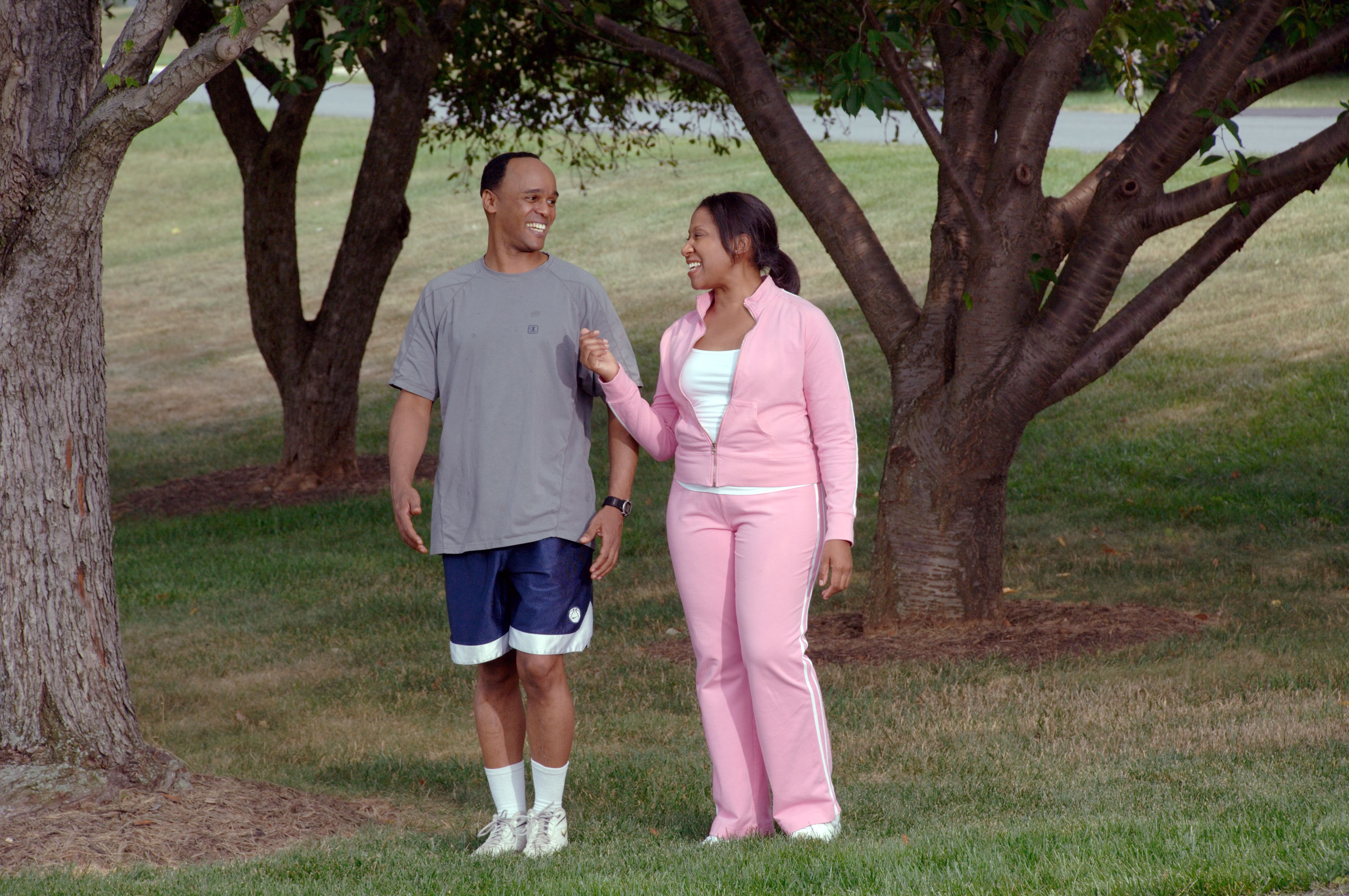

What counts as a brisk walk?
The US Centers for Disease Control and Prevention recommends that adults build toward at least 150 minutes of moderate-intensity aerobic activity each week, alongside muscle-strengthening activity on two days. The minutes can be spread across the week; they do not need to arrive in one uninterrupted session. The World Health Organization includes movement for transport, at work and at home in its broad definition of physical activity.
But not every walk is automatically a moderate-intensity walk. The CDC's simple talk test is more useful than a fixed speed: during moderate activity, you can talk but would struggle to sing. A gentle stroll still has value, especially if that is what feels manageable today. It simply may not count toward the moderate-intensity target in the same way.
A four-week way in
This is an Afridiaspo example for an adult who wants to begin gently; it is not a clinical prescription or a substitute for advice tailored to a health condition. Pick a route and pace you can repeat. If a week feels too ambitious, repeat it. If you already walk regularly, use the talk test and your own circumstances rather than treating the table as a ceiling.
| Week | Repeatable aim | Make it fit |
|---|---|---|
| 1 | 10 minutes, three days | Try after a meal or on the way to a familiar stop. |
| 2 | 10 minutes, four days | Use a short loop that does not require a special trip. |
| 3 | 15 minutes, four days | Walk with a friend or family member if company helps. |
| 4 | 20 minutes, four days | Choose the safest, most reliable days rather than chasing a perfect streak. |
Even the fourth week falls short of the full 150-minute moderate-activity goal. That is deliberate: building a habit is one step toward the guideline. Add time gradually when your body and schedule allow. The CDC says some activity is better than none, and the NHS notes that a brisk ten-minute walk counts toward the weekly target.
Make the route work for your real life
“Just go for a walk” can ignore the conditions around a person. A neighborhood may lack safe sidewalks. A shift may finish after dark. Heat, rain, winter ice, childcare or a long commute can change what is practical. The plan has to respect those constraints.
- Short on time? Attach a ten-minute walk to an existing trip or break rather than waiting for a free hour.
- Outdoor route feels unsafe? Choose a well-lit public route, an indoor community space or another setting you trust. Walking at home may be the most realistic option.
- Caregiving fills the day? Invite a child or relative when possible. A social walk can be time together, not one more task to fit around family.
- Weather changes the plan? Keep an indoor alternative ready. A missed outdoor walk is a logistics problem, not a character flaw.
- Walking is difficult or painful? Adjust or pause the plan and ask a qualified clinician what movement is suitable for you. The CDC advises people with chronic conditions to discuss appropriate activity with a health professional.
How to tell whether the habit is helping
Do not make a single step total the only score. Track the days you walked, roughly how long you moved, and whether the effort felt comfortable, challenging or too much. A calendar tick or note on a phone is enough. The most useful sign of progress may be that your chosen walk has become easier to repeat.
Walking also need not carry the entire physical-activity load. The CDC's weekly guidance includes muscle-strengthening work on two days, and other forms of movement may suit you better on some days. If you have a medical condition, are recovering from injury or are unsure what is safe, ask a health professional for individualized guidance before increasing activity.
The Afridiaspo takeaway
For a diaspora life spread across jobs, journeys and obligations, walking offers a modest but flexible entry point. The health advice is clear; the harder part is often access to time and a place where walking feels safe. Start with a route that exists in your life now, move at an appropriate pace, and let consistency grow before distance does. Ten useful minutes can be the beginning of a practice—not a verdict on how far you have left to go.