“Welcome Home”— But at What Cost? Ghana’s Diaspora Dream Meets Rising Prices and Local Pushback
Ghana’s diaspora return movement is driving investment and cultural reconnection. Rising property prices and land demand are creating gentrification concerns. The challenge is balancing diaspora opportunity with local protection.
For years, Ghana has positioned itself as the emotional and cultural home for Africans in the diaspora, especially Black Americans seeking reconnection, identity, and belonging. Campaigns like the “Year of Return” and “Beyond the Return” transformed Ghana into a global symbol of reconnection—a place where history meets opportunity. But as more diaspora communities answer that call, a new question is emerging: what happens when homecoming begins to reshape the home itself?
The movement has been powerful. Thousands of diaspora visitors and returnees have traveled to Ghana not just as tourists, but as investors, entrepreneurs, and long-term residents. They are opening businesses, buying land, building homes, and contributing to the local economy in ways that extend beyond short-term tourism. What started as a cultural invitation has evolved into an economic wave.
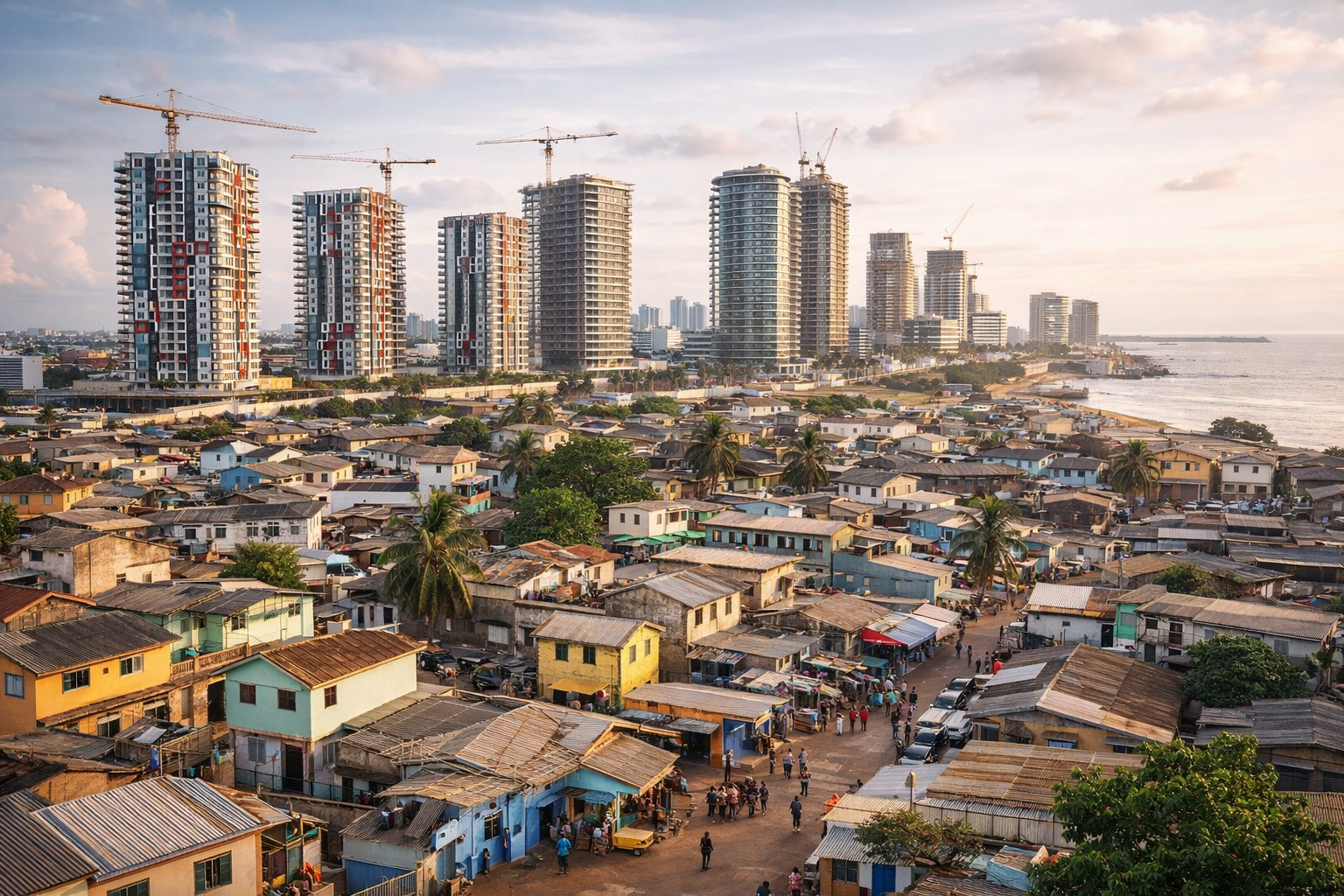
But with growth comes pressure. In cities like Accra, property prices have surged dramatically, driven in part by increased diaspora demand and foreign investment. Land that was once accessible to locals is becoming more expensive, pushing many residents out of neighborhoods they have lived in for generations. Rent prices in some areas have doubled, and in high-demand zones, even tripled.
This is where the tension begins. While diaspora investment brings capital and visibility, it also accelerates gentrification, a process where rising property values reshape communities—often at the expense of long-time residents. Local voices are beginning to question whether the benefits of this economic boom are being evenly distributed.
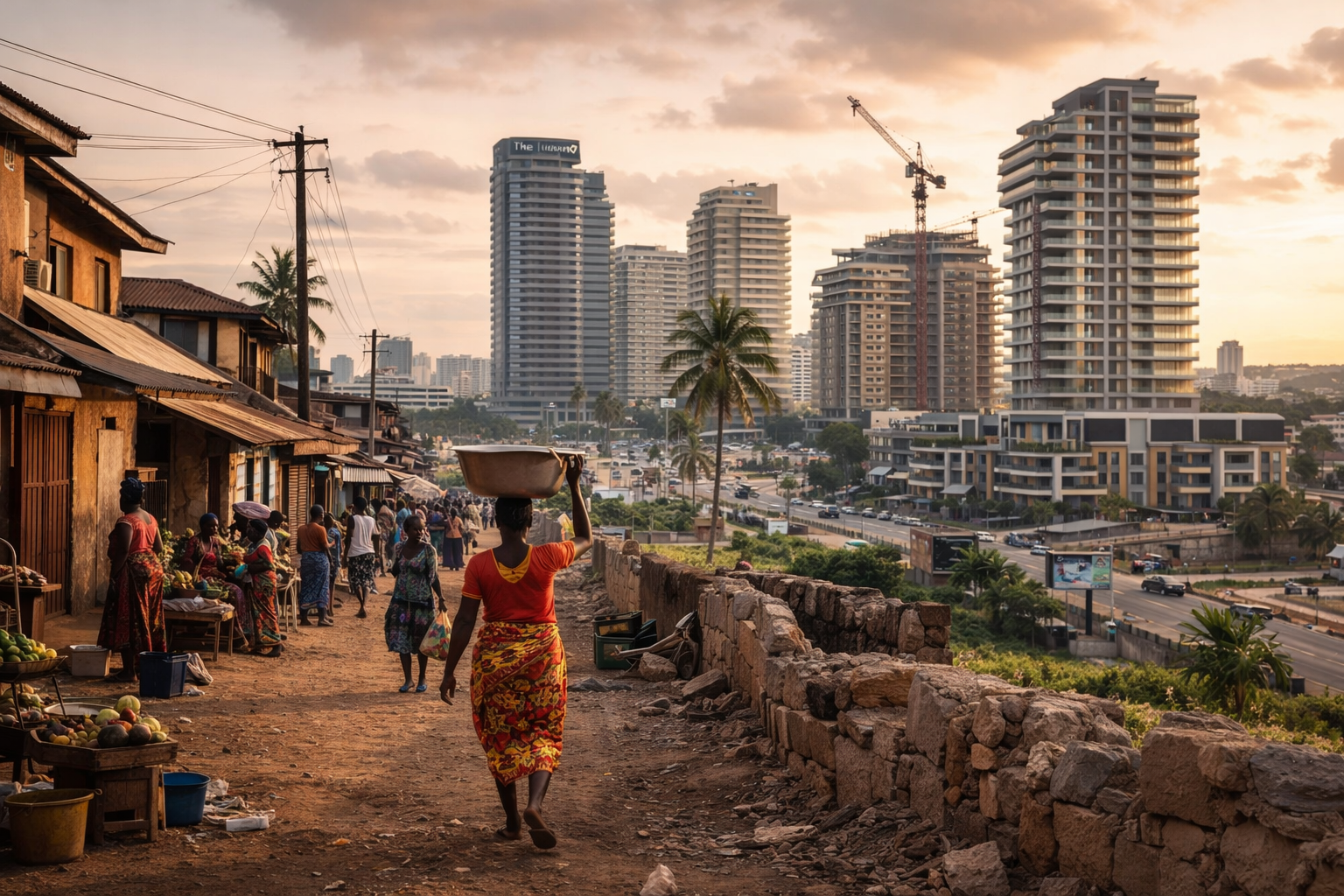
The issue is not just about housing—it is about land ownership and identity. In Ghana, land carries deep cultural and generational meaning. As diaspora buyers enter the market, sometimes with stronger purchasing power, there are growing concerns about displacement and the long-term control of land within local communities.
At the same time, many diaspora returnees see their presence differently. For them, investing in Ghana is not exploitation—it is reconnection. It is building something meaningful in a place they consider home, even if they were born thousands of miles away. This creates a complex dynamic where both sides feel justified, yet impacted.
The government finds itself in the middle. On one hand, diaspora engagement has brought billions into the economy, boosted tourism, and elevated Ghana’s global profile. On the other hand, there is increasing pressure to implement policies that protect local communities from being priced out of their own cities.
Some solutions are already being discussed—such as regulating land sales, promoting affordable housing, and ensuring that development projects include local participation. However, these solutions require careful balance. Too much restriction could discourage investment, while too little could deepen inequality.
What is unfolding in Ghana is not unique—it mirrors patterns seen in cities around the world where global capital meets local communities. But in Ghana, the emotional layer makes it different. This is not just foreign investment—it is a return to roots, which makes the conversation more sensitive and more complex.
As the diaspora continues to arrive, Ghana stands at a crossroads. The success of its “homecoming” vision will depend not just on how many people come—but on how well the country manages the balance between welcoming the diaspora and protecting the people who never left.
“Welcome Home”— But at What Cost? Ghana’s Diaspora Dream Meets Rising Prices and Local Pushback