Five West African Women Building What Comes Next
— Afridiaspo Editorial
Meet five women from Nigeria, Ghana, Senegal, Benin and Sierra Leone shaping trade, diplomacy, literature, children’s rights and global institutions.
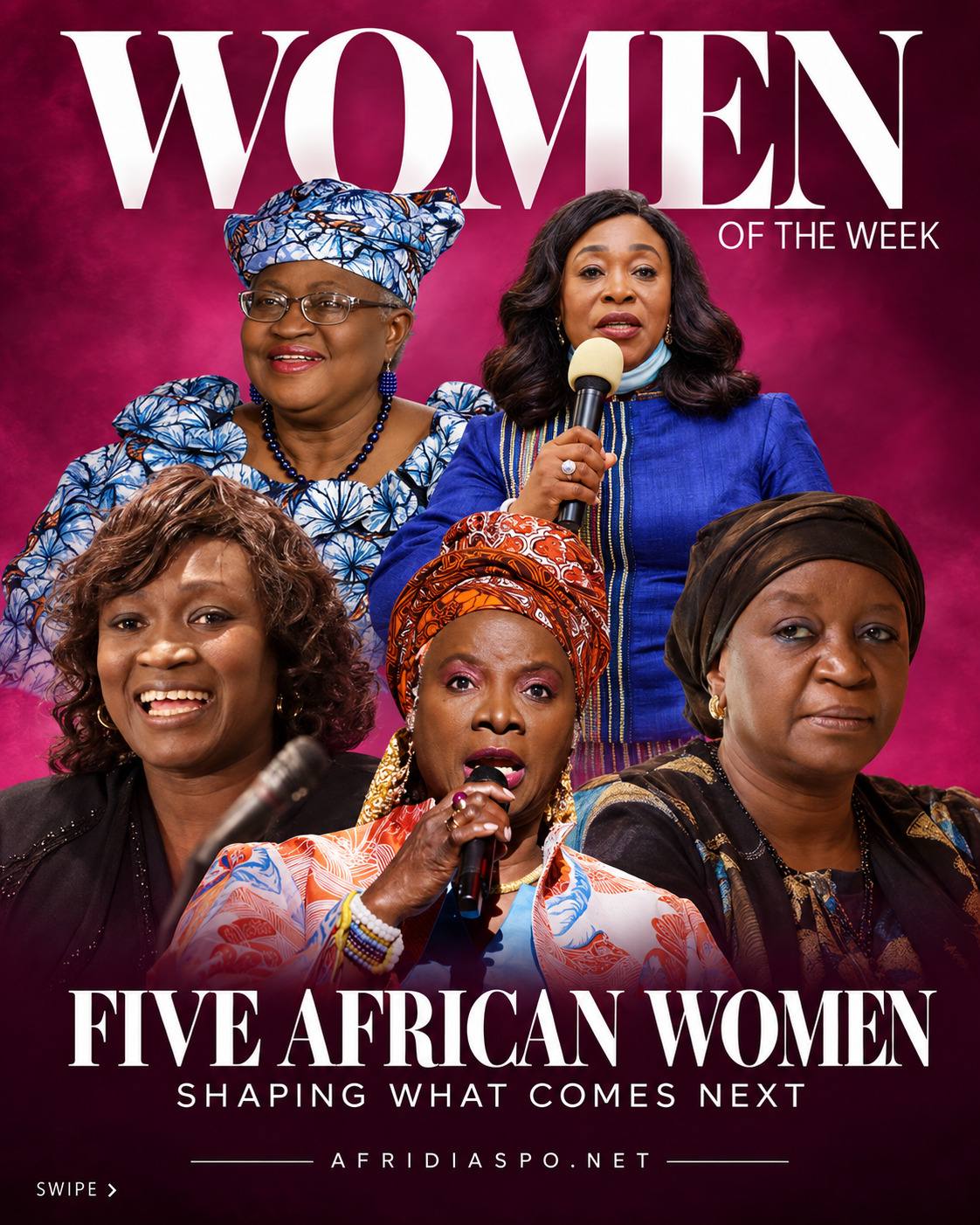
One Wednesday, five countries, five women whose work is changing the institutions, stories and choices that shape life across and beyond West Africa.
Leadership rarely looks the same from one place to another. At a negotiating table, it can mean pressing for a fairer trading system. In a publishing house, it can mean protecting the history a community tells about itself. It can also mean helping a child stay in school or making space for African priorities in an international institution. For Afridiaspo’s first Women of the Week edition, we chose one woman from each of five West African countries—Nigeria, Ghana, Senegal, Benin and Sierra Leone—and looked closely at what each is building.
Nigeria: Ngozi Okonjo-Iweala brings Africa to the trade table
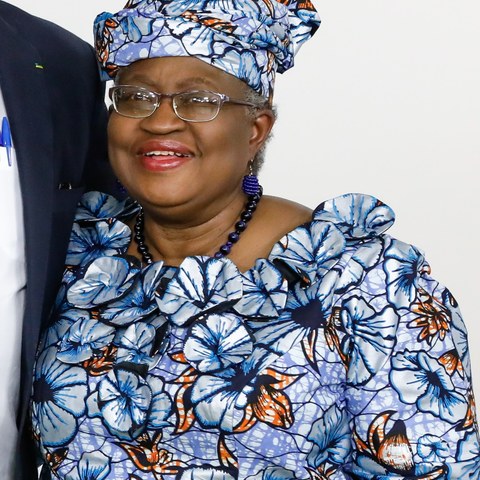

Ngozi Okonjo-Iweala is serving her second term as director-general of the World Trade Organization, which began on September 1, 2025. When she first took office in 2021, she became the first woman and the first African to lead the WTO. The Nigerian economist had already served twice as her country’s finance minister and spent 25 years at the World Bank. Her career crosses the three arenas where trade policy becomes real: national budgets, development finance and negotiations among governments.
A title alone cannot make trade fair. The work is in the rules, the bargaining and whether smaller economies can gain from the system. Okonjo-Iweala’s presence gives that debate an unmistakable African voice, but she remains accountable to 166 WTO members with competing interests. Her story is about staying in the room long enough to influence the terms. Source: WTO director-general biography.
Ghana: Shirley Botchwey turns diplomacy into a programme
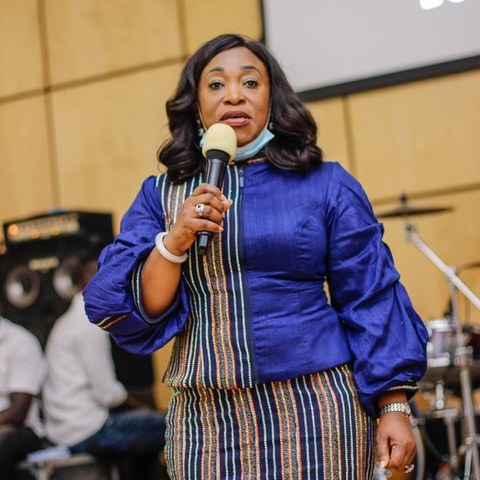

Shirley Ayorkor Botchwey, born in Accra, took office as Commonwealth secretary-general on April 1, 2025, after serving as Ghana’s foreign minister. She is the first African woman to hold the job. The Commonwealth spans 56 countries, but a broad membership only matters if it produces useful cooperation. Botchwey has put democratic, economic and environmental resilience at the centre of the organisation’s current plan, alongside opportunities for young people and women.
That agenda has a practical edge. On October 5, the Commonwealth opened a new call for country-led ocean projects through its Blue Charter Incubator. The programme offers a route from a shared climate concern to funded work on the ground. Botchwey’s test is whether a large diplomatic network can help its members act, particularly the small states whose needs can be lost in global negotiations. Sources: Commonwealth biography and October 5 programme announcement.
Senegal: Sokhna Benga makes room for memory
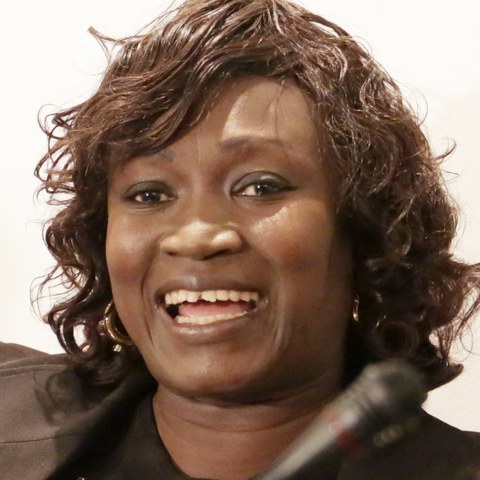

Senegalese writer and publisher Sokhna Benga works in the space where culture becomes a record that survives. Through her Oxyzone publishing house, she helped bring forward L’odyssée du peuple lébou, a book on the history of the Lébou people. At its 2025 presentation, Benga explained why she placed the work in a collection concerned with origins and memory. She also belongs to the community whose story the book preserves.
Publishing is often treated as the quiet end of a creative process. Here it is an act of stewardship: giving research, oral history and a local account a form that can travel to new readers. Benga’s continuing literary work includes a writing workshop in Senegal’s 2026 Francophonie programme. Her example asks who gets to decide which histories are printed, taught and carried forward. Sources: Senegalese Press Agency on the Lébou book and 2026 Francophonie programme.
Benin: Angélique Kidjo makes children’s needs impossible to ignore
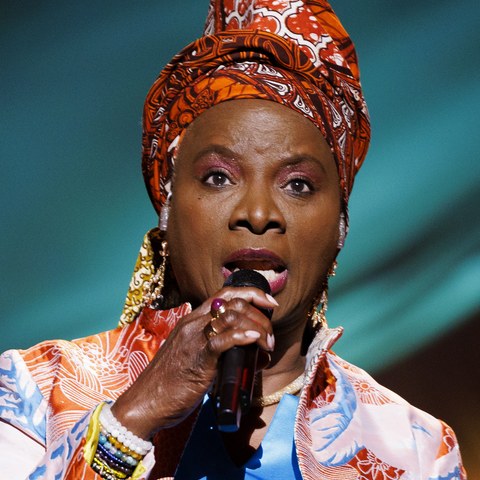

Angélique Kidjo’s music made her one of Benin’s best-known voices abroad. As a UNICEF goodwill ambassador, she has used that reach to draw attention to children’s lives at home. During a January 12–14, 2026 visit to Benin, she met young community organisers and saw work on immunisation, nutrition and school meals. UNICEF’s account of the visit placed those programmes against the pressure of shrinking development aid.
Kidjo’s role is to bring people closer to questions that a performance cannot solve on its own: whether children receive food, healthcare and the chance to learn. The local health workers, teachers and young organisers do the daily work. Her public platform can help ensure they are seen and supported. Source: UNICEF Benin, January 15, 2026.
Sierra Leone: Zainab Hawa Bangura makes Nairobi a centre of gravity
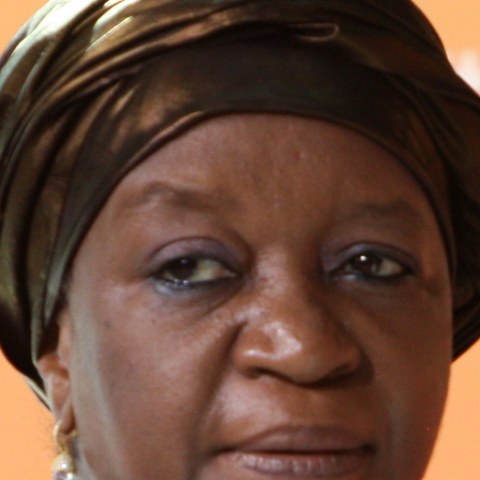

Zainab Hawa Bangura began as a civil society leader in Sierra Leone, later served as the country’s foreign minister and represented the UN in its work against sexual violence in conflict. She now leads the United Nations Office at Nairobi. The journey connects advocacy at home with decisions inside a global organisation.
In May 2026, Bangura spoke at the groundbreaking for an expanded UN conference facility in Nairobi. The investment is about more than buildings: where international meetings happen shapes who can attend, whose concerns are heard first and how accessible diplomacy is to African governments and civil society. Bangura’s career shows the value of moving from campaigning outside institutions to changing them from within. Sources: UN Kenya on the 2026 groundbreaking and UN interview on her Sierra Leone roots.
Five countries, five ways to leave a mark
These women do not share one profession or a single definition of success. They negotiate trade rules, turn diplomacy into programmes, publish a people’s history, defend children’s needs and widen Africa’s place in multilateral work. The thread is the choice to make their platforms useful to people beyond themselves. That is the work Afridiaspo is celebrating this Wednesday.
Image credits and reuse: The featured cover is an AI-assisted illustrative composite based on portraits of the five women; facial details may differ from the source photographs. The individual portraits beside each section are cropped original photographs, with their credits and licenses linked there. Photograph dates differ from the events reported above.