WHO’s New Breast Cancer Guide Targets the Referral Gap
— Afridiaspo Health Desk
WHO Africa's new primary-care manual targets the referral gap between breast symptom detection and diagnosis, aiming to improve outcomes.
HEALTH NEWS | AFRICA
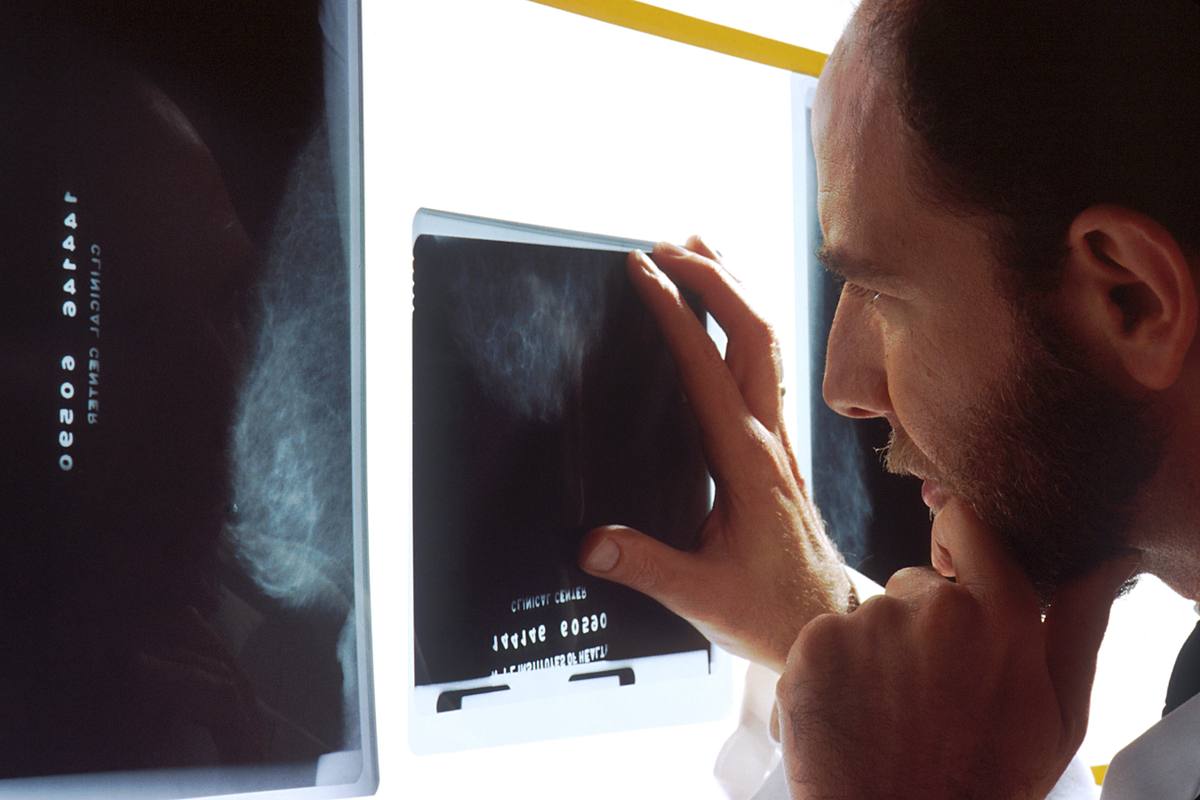
A breast change can be noticed in a moment. Getting a clear answer can take months. Between those two points lie the steps that determine whether a person is assessed, referred, diagnosed and connected to treatment—or disappears into a fragmented system.
That gap is the focus of a new World Health Organization (WHO) Africa manual announced on September 21, 2026. The guidance is designed for frontline health workers who may be the first professionals to see someone with a breast lump or another concerning symptom. Its central message is practical: recognize symptoms, make an appropriate initial assessment, arrange diagnostic workup and keep track of the referral until the patient reaches the next stage of care.
The document was issued in July and publicized by WHO’s African regional office this month. It is a clinical manual for health systems, not a home diagnostic test or a claim that every country has already adopted it.
The first visit is a turning point
For many people, a local clinic is where a breast concern first becomes a medical question. WHO says primary-care teams need to recognize suspicious findings, counsel patients and connect them to imaging, pathology and treatment services. The manual addresses the whole route from community contact to diagnostic confirmation and care.
The distinction between screening and diagnosing a symptom matters. Screening looks for disease in people without symptoms. Someone who has found a new lump, nipple change or other breast symptom needs an assessment of that concern. WHO explicitly prioritizes timely diagnosis of symptomatic patients in settings where organized population mammography screening may not yet be feasible.
WHO’s September announcement says delays of six months or more between the appearance of symptoms and appropriate care remain common in many African settings. That is a health-system failure as much as a personal ordeal. A referral that is written but never completed, a test that is unavailable, or a result that is never communicated can each add weeks to an already difficult process.

What a safer pathway looks like
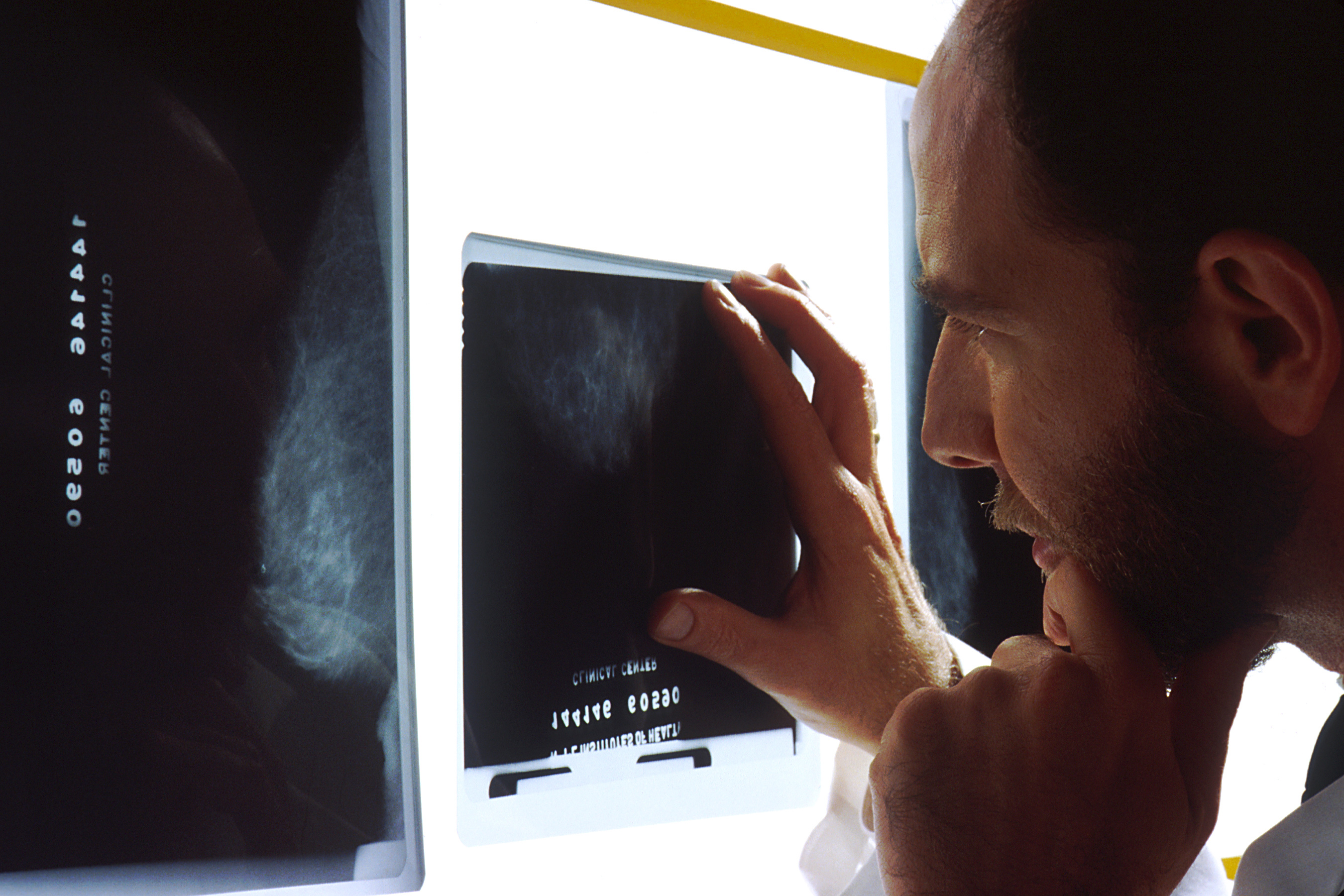
The WHO manual is meant to make a series of handoffs more reliable. It covers clinical breast assessment at primary-care level, workup for suspected cancer, patient navigation and continuity of care. The aim is to prevent a person from being lost between the first consultation and the services needed to find out what is happening.
| Stage | Question that needs an answer | Why the handoff matters |
|---|---|---|
| Initial consultation | Has the new change been assessed by a clinician? | Symptoms should not be dismissed without an appropriate evaluation. |
| Referral | Where and when will imaging or specialist assessment happen? | A referral only helps if the next service can be reached. |
| Results | Who explains the findings and next steps? | Clear communication reduces the risk of a result being missed. |
| Follow-up | Who checks whether the patient reached care? | Navigation helps prevent a break in the pathway. |
This table is a reader’s guide to the care pathway described by WHO, not a substitute for a clinician’s decision about tests or treatment.
What readers can take from it
The U.S. Centers for Disease Control and Prevention lists several breast changes worth discussing promptly with a clinician: a new breast or underarm lump, swelling, skin dimpling, changes around the nipple, discharge other than breast milk, a change in breast shape or persistent pain. These signs can have causes other than cancer. The point is to obtain an assessment, not to diagnose oneself.
For a patient or family member trying to navigate care, three concrete questions can make the next step clearer:
- What is the next assessment, and where will it happen?
- When and how will I receive the result?
- If I am referred, who can I contact if the appointment does not happen?
Write down the answers, keep copies of reports where possible and seek help if the plan is unclear. The questions are especially useful when care involves several clinics or a move between countries, but they cannot remove the cost, distance, stigma or limited diagnostic capacity that WHO says patients may face.
The system behind the symptom
WHO’s announcement places breast cancer within a wider question of health equity. Globally, it says about 2.3 million women were diagnosed with breast cancer in 2022 and approximately 670,000 people died of the disease. Those global figures do not describe one African country’s current burden. The regional concern is how often diagnosis comes late, when care becomes more complex and outcomes can be worse.
The agency argues that patient navigation can help people cross barriers such as fear, stigma, travel distance, financial strain and fragmented services. That requires more than awareness campaigns. Clinics need trained staff, diagnostic links, clear referral pathways and a way to follow up when an appointment is missed.
For Africans on the continent and in the diaspora, the lesson is not that every breast change is cancer. It is that a symptom should lead to a clear next step, and the health system should be accountable for making that step possible. WHO’s new manual gives frontline teams a route to follow. The real test is whether health services can turn that route into timely answers for patients.