WHY ARE SOME SHIPS GOING THROUGH THE STRAIT OF HORMUZ DURING A BLOCKADE?
— Mary Ene
Despite the US-declared blockade and Iran's closure of the Strait of Hormuz since February 28, 2026, some ships have continued to transit the waterway — prompting confusion about whether the blockade is actually working. The answer lies in a crucial distinction: the US blockade covers Iranian ports…
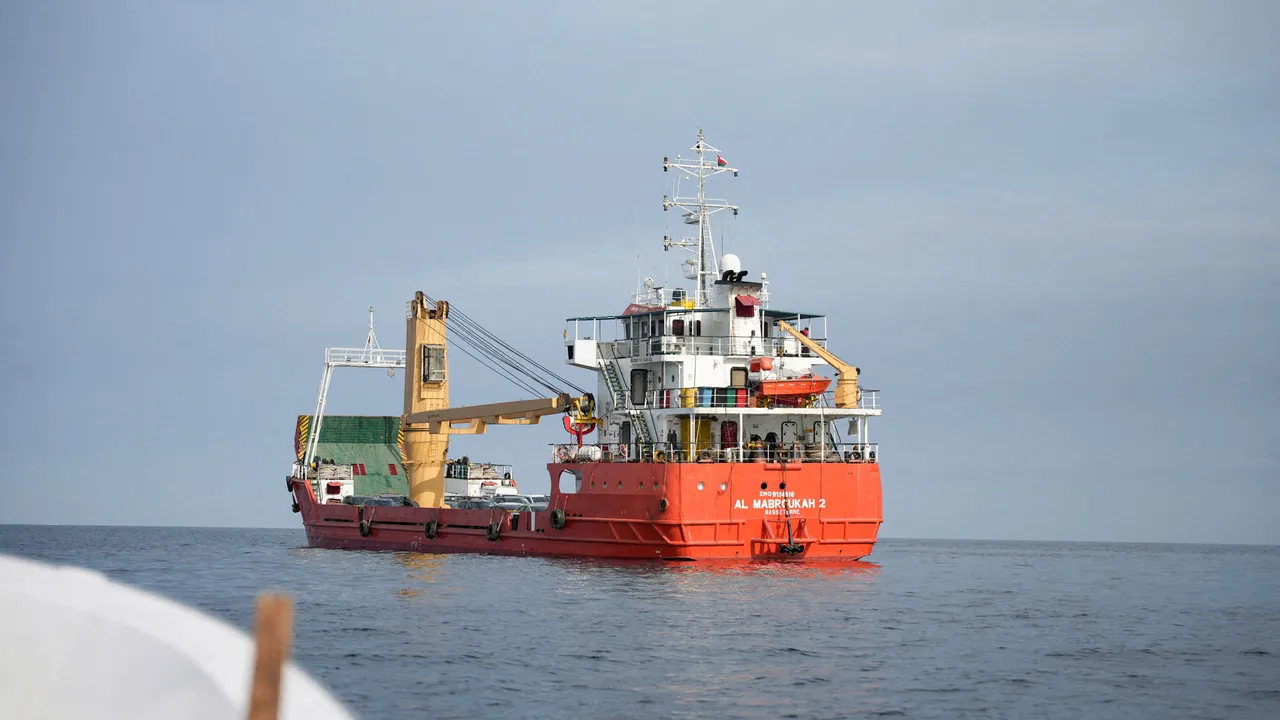
The Strait of Hormuz is officially blockaded. Some ships are still getting through. Both things are true — and the explanation reveals just how complicated this waterway has become.
When the US and Israel launched Operation Epic Fury on February 28, 2026, killing Iran's Supreme Leader and triggering the worst energy supply shock in history, Iran's Islamic Revolutionary Guard Corps moved swiftly to close the strait. Since then, tanker traffic has plummeted by more than 95%, dropping from roughly 100 ships per day before the war to just 279 total transits in the first six weeks of the conflict.
The closure triggered a cascade of consequences: oil prices surged above $115 per barrel, LNG supplies were disrupted globally, and 20% of the world's oil trade including 80% of Iran's own exports was choked off.
Yet some ships kept moving. The explanation is both legal and strategic. As US Central Command made clear, the American blockade covers all Iranian ports inside and outside the strait but not the strait itself as an international waterway. Blockading an international waterway is illegal under maritime law.
Vessels not heading to or from Iranian destinations are legally permitted to transit. A commercial ship can be intercepted in international waters long after it clears the strait — the US Navy has the capability to pursue a laden tanker almost anywhere in the world.
Iran, meanwhile, created its own solution. Rather than using the main channel south of Larak Island, the IRGC established a new northern shipping channel between Larak and Hormuz in Iranian territorial waters. To use it, vessels paid fees reportedly assessed in Chinese yuan by the IRGC. One ship paid $2 million for the privilege. On March 16, a Pakistani oil tanker crossed with Iranian permission.
Malaysia announced in late March that Iran had allowed its vessels through. A French ship transited on April 3.
The players who have most consistently found ways through are those with existing relationships or leverage over Tehran. China, whose demand for discounted Iranian oil has made it Iran's most important economic lifeline, has seen several of its tankers pass including the US-sanctioned Rich Starry, which departed the UAE. Ship-tracking data shows these vessels using the Iranian-authorised route, effectively paying Iran for access that Iran simultaneously denies to Western-aligned shipping. It is a split market: if you pay Iran or are shielded by geopolitical relationships, you can move. Everyone else cannot.
As of April 15, only 45 ships had transited since the April 7 ceasefire a fraction of pre-war volumes. Airlines, shipping firms and cargo insurers remain deeply cautious. The ceasefire paused the fighting but has not resolved the underlying blockade architecture. Until a durable diplomatic settlement is reached, the strait will remain a two-tier waterway: theoretically open under international law, practically navigable only for those willing to pay or powerful enough not to ask permission.
WHY ARE SOME SHIPS GOING THROUGH THE STRAIT OF HORMUZ DURING A BLOCKADE?