Why energy is crucial to Africa’s development — US official
— Anita okhipo
U.S. Energy Secretary Charles Wright says energy is essential to Africa’s economic growth and development. He criticized Western policies as “paternalistic” and “neocolonial,” urging African nations to control their own energy strategies. His remarks highlight growing debate over balancing developm…
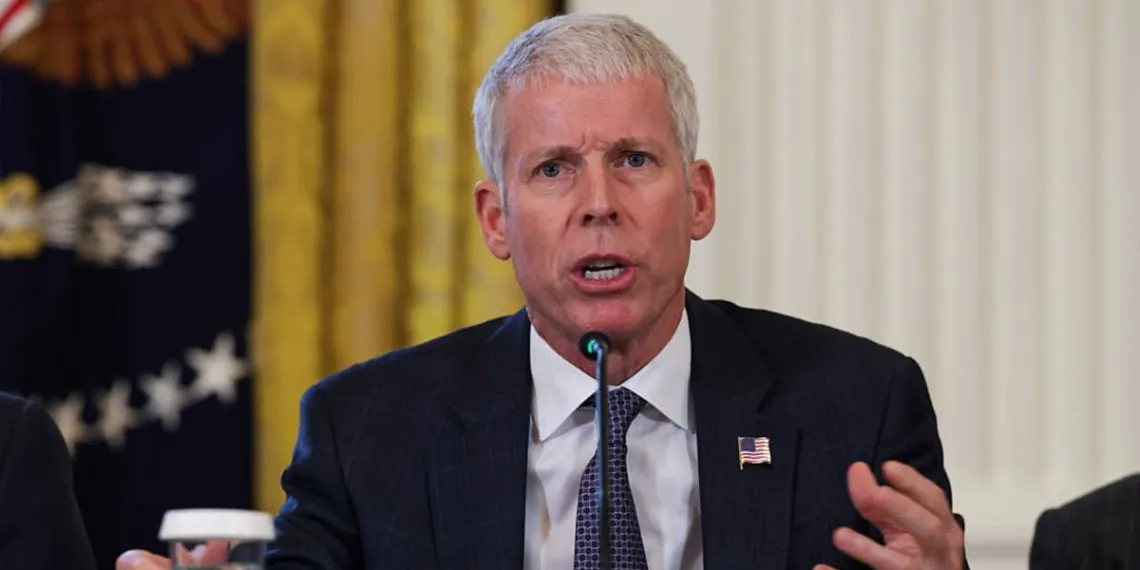
WASHINGTON, D.C. — The United States Secretary of Energy, Charles Wright, has declared that energy must be treated as a central pillar of Africa’s economic development, while sharply criticizing what he described as a “paternalistic” and “neocolonial” approach by Western governments.
Speaking on Thursday at the Powering Africa Summit 2026, Wright argued that Africa’s growth prospects are being constrained by external pressures that limit how countries develop their energy sectors.
Challenging Western Influence
In unusually direct remarks, Wright pushed back against longstanding Western policies that have often shaped Africa’s energy decisions. He said efforts to restrict financing for fossil fuel projects in Africa risk slowing development rather than supporting it.
According to him, African nations should have the autonomy to determine their own energy mix — whether that includes oil, gas, renewables, or a combination of sources — based on their economic needs and development priorities.
Energy as the Foundation of Development
Wright emphasized that energy is not just another sector, but the backbone of economic activity. Without reliable electricity, he noted, industrialization remains limited, businesses face higher costs, and essential services like healthcare and education struggle to function effectively.
With more than 600 million people in Africa still lacking access to electricity, he warned that closing the energy gap is critical to unlocking growth, creating jobs, and improving living standards across the continent.
Balancing Development and Climate Goals
While acknowledging global climate concerns, Wright argued that Africa’s relatively low contribution to global emissions should be taken into account. He called for a more balanced approach that allows African countries to expand energy access rapidly while gradually transitioning to cleaner energy sources.
His comments reflect growing debate over whether strict climate policies imposed by wealthier nations may unintentionally hinder development in emerging economies.
A Broader Policy Shift
Wright’s remarks signal a broader shift in tone from the United States, emphasizing partnership over prescription. He stressed that sustainable development in Africa must be driven by local priorities, not external mandates.
The summit brought together global leaders, investors, and policymakers to explore solutions for scaling energy investments across Africa — a sector widely seen as key to the continent’s long-term economic transformation.
Looking Ahead
As Africa continues to position itself for industrial growth, the question of how to balance energy access, economic development, and climate responsibility remains central.
For many analysts, one point is clear: without solving its energy challenges, Africa’s full economic potential will remain out of reach.