Five African Women Changing Who Tells the Story
— Afridiaspo Editorial
Meet Mo Abudu, Thuso Mbedu, Michaela Coel, Selly Raby Kane and Lupita Nyong’o: five African and diaspora women expanding creative possibilities.
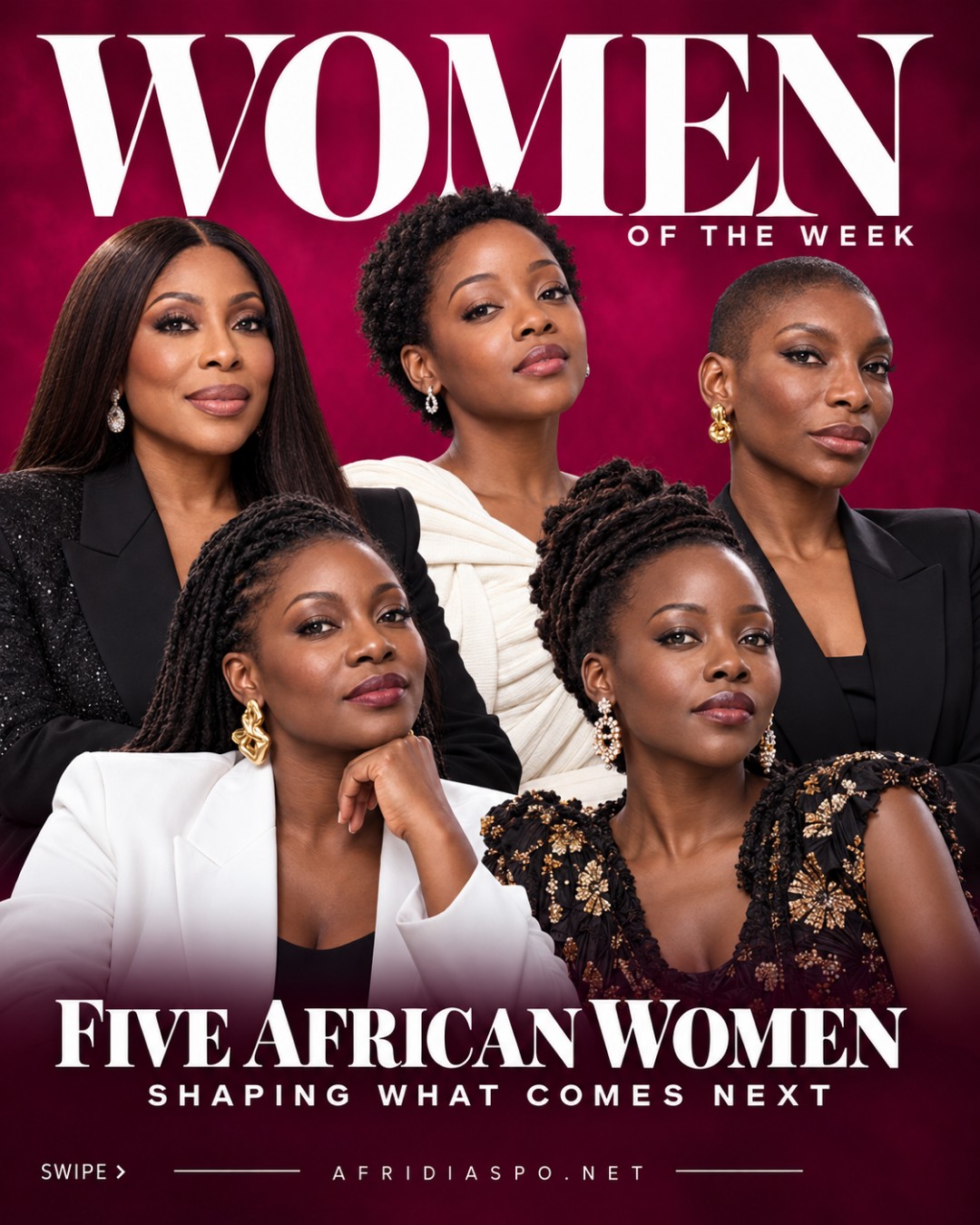
Women of the Week · October 28, 2026
On June 12, 2020, Netflix announced a multi-title partnership with Mo Abudu’s EbonyLife. Among its plans were adaptations of works by Wole Soyinka and Lola Shoneyin. The announcement offered a concrete example of a larger creative question: who gets to carry African stories from an idea into an international production?
This edition follows that question across five careers. Abudu builds production businesses. Thuso Mbedu brings South African performance experience to international screens. Michaela Coel writes and performs stories rooted in the diaspora. Selly Raby Kane moves between fashion and imagined worlds. Lupita Nyong’o reaches audiences through acting and children’s literature.
They connect Nigeria, South Africa, Ghanaian heritage in Britain, Senegal and Kenya. This is an editorial selection of careers; the achievements below took place in different years.
Mo Abudu: building the route from story to screen
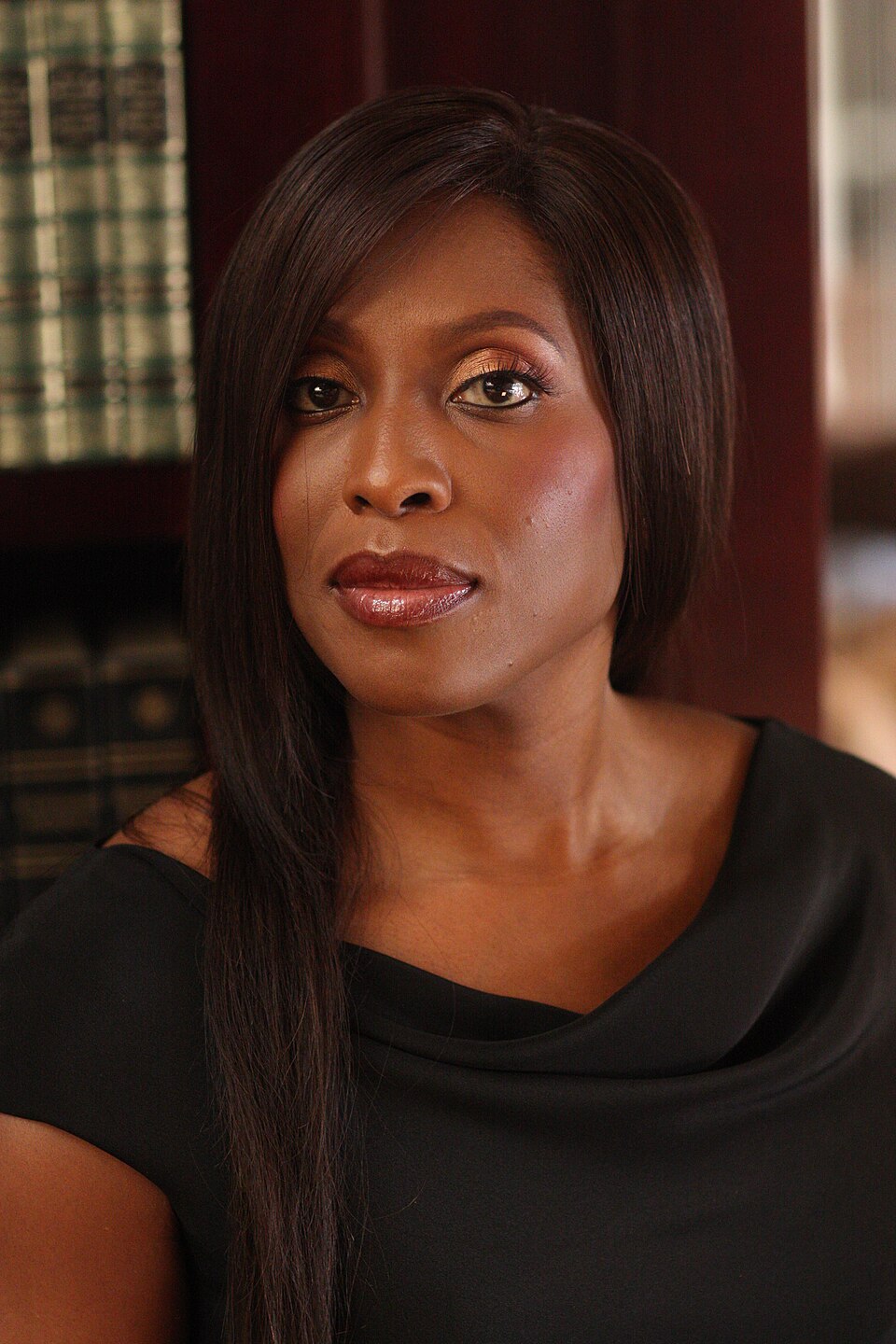

Abudu’s contribution is easiest to understand by looking beyond the finished film. Netflix’s June 12, 2020 announcement named EbonyLife as its production partner and identified plans for an adaptation of Wole Soyinka’s Death and the King’s Horseman and a series based on Lola Shoneyin’s The Secret Lives of Baba Segi’s Wives. Those were announced projects; a development agreement does not establish that every proposed production was completed. Source: Netflix.
Her official biography traces a progression from Moments with Mo to EbonyLife TV, launched in July 2013, and then filmmaking. It also records the 2021 launch of the EbonyLife Creative Academy with the Lagos State Government, offering practical film training. These details describe several parts of an industry: programmes, production capacity and a route for people learning the craft. Source: Abudu’s official biography.
For diaspora creators, the useful question is what sits between a strong story and an audience. Writers need producers; producers need financing, rights agreements and distribution. Abudu belongs in this selection because her work makes those business functions visible. Celebrating the storyteller should also mean examining the terms under which a story is made, owned and circulated.
Thuso Mbedu: a South African career with international range
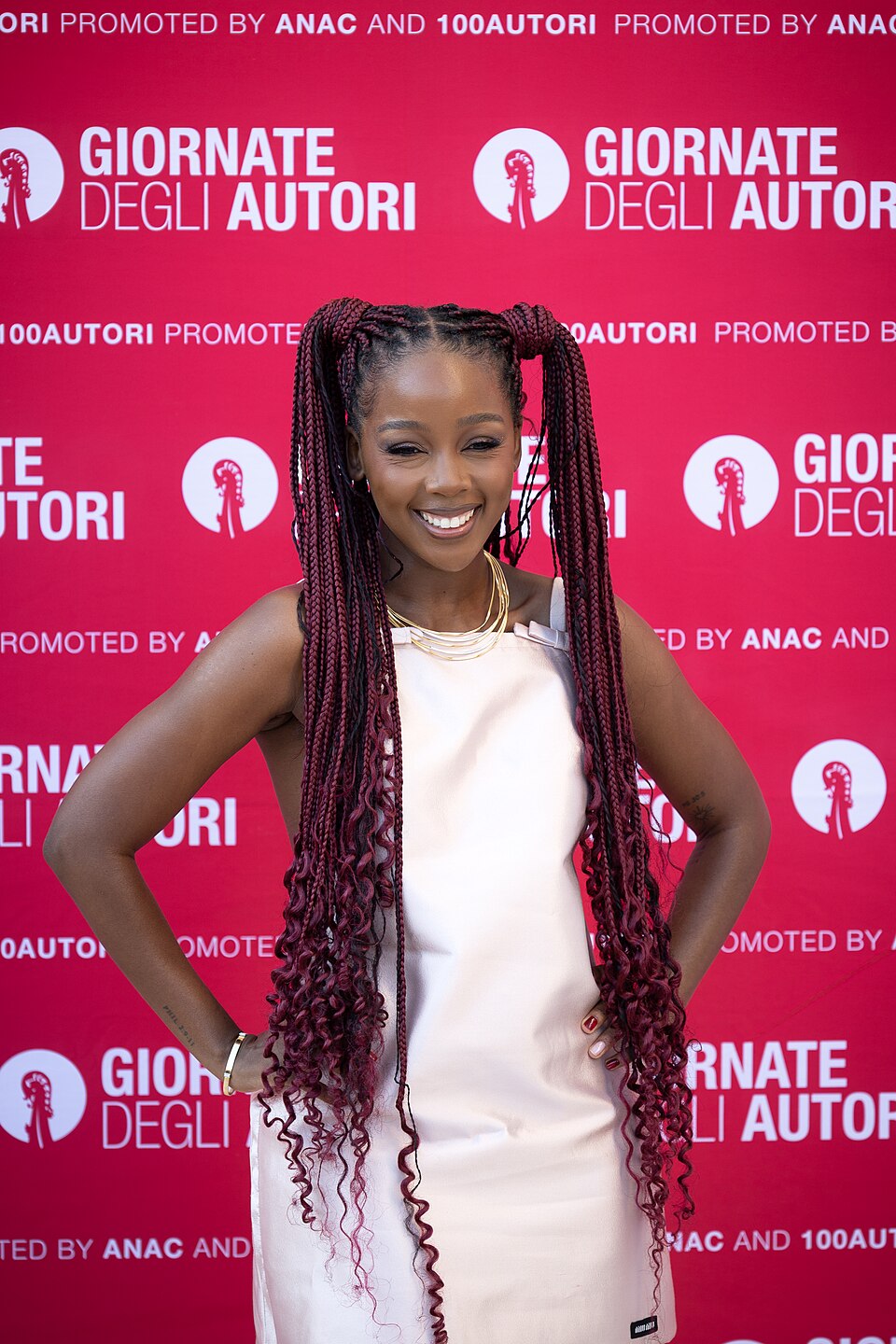

Before many international viewers knew Mbedu as Cora in The Underground Railroad, her work in the South African drama Is’Thunzi had earned consecutive International Emmy nominations in 2017 and 2018. The Stella Adler Center’s profile documents those nominations, her role in Barry Jenkins’s 2021 series and her subsequent feature-film debut as Nawi in The Woman King in 2022. The international breakthrough followed an existing body of work. Source: Stella Adler Center for the Arts.
Her connection to home was visible during the film’s South African launch. In a September 30, 2022 account, the KwaZulu-Natal Tourism and Film Authority described the Pietermaritzburg-born actor returning to the province with members of the cast. Its report also identified South African filming locations, including Jozini in KwaZulu-Natal. An international production can therefore be read through local places, workers and audiences as well as its global marketing. Source: KZN Tourism and Film Authority.
Mbedu’s trajectory invites a serious account of African acting. A performer’s career begins long before an overseas audience notices her. Local television, professional preparation and the ability to work across different production environments deserve a place in the account of her success. For younger performers, knowing that route is more useful than being told she appeared from nowhere.
Michaela Coel: putting authorship at the centre
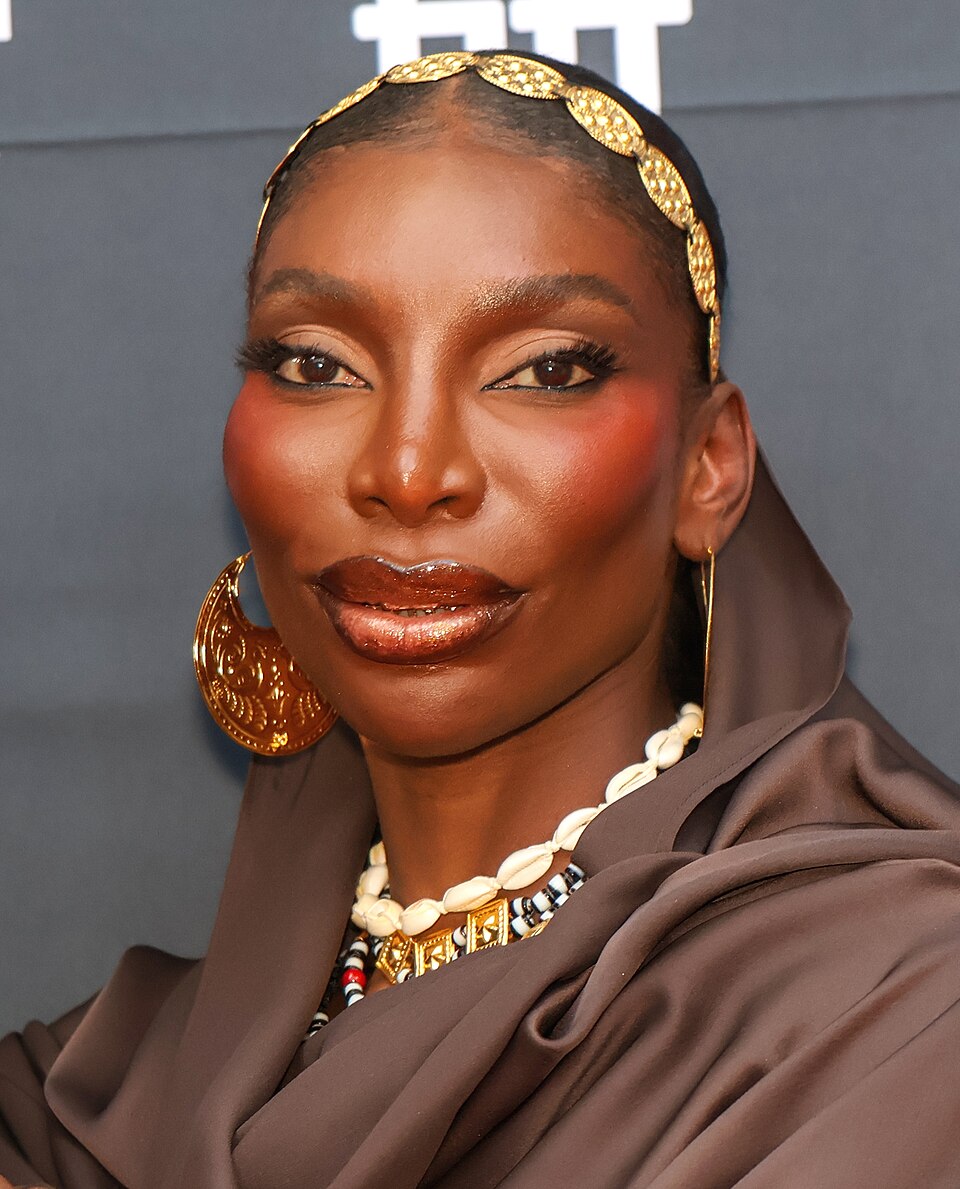

Coel’s work carries the specificity of an east London upbringing and Ghanaian family heritage. London Museum’s account traces Chewing Gum Dreams from a stage work into the television series Chewing Gum, which she created, wrote and starred in. A small performance space and a television audience can be stages in the same creative development. Source: London Museum.
The Television Academy records her 2021 writing Emmy for I May Destroy You, alongside nominations for acting, directing and executive producing the series. It also records a 2024 guest-acting Emmy for Mr. & Mrs. Smith. One award recognises a script, another a performance. Together they show the range of a career that cannot be reduced to one job title. Source: Television Academy awards database.
For African diaspora audiences, Coel’s place here concerns the authority to tell complex stories about everyday life. Comedy, friendship, sexual violence and consent can coexist in a body of work without making its characters stand for an entire community. Her example gives aspiring writers a practical point of attention: the words on the page are part of the creative achievement. An audience’s connection with a character starts well before an actor steps in front of the camera.
Selly Raby Kane: Dakar as a place to imagine from
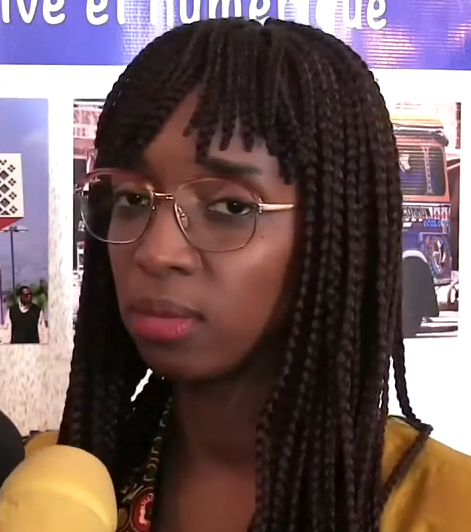

Senegalese designer and filmmaker Selly Raby Kane makes fashion part of a wider practice. Aspen’s speaker biography dates the launch of her SRK brand to 2012 and documents projects linking design, heritage and technology, including the virtual-reality film The Other Dakar. It also records her collaboration with IKEA and her appointment as Design Indaba’s first creative director in 2017. These are identifiable projects and roles through which to understand her work. Source: Aspen Ideas.
In a conversation published by the V&A, Kane explained that her collections began with short stories about worlds for the people she wanted to dress. Dakar and its artistic communities were central to that process. Her account challenges the expectation that a Senegalese designer must produce one predetermined version of African style. Source: V&A, “Afrotopia”.
That perspective matters for artists building careers between Africa and the diaspora. Cultural connection can produce many visual languages. The freedom to draw from a city’s street life, speculative fiction, technology or several disciplines at once is part of creative self-determination. Kane’s work makes room for African design to be understood as a source of ideas about the future, with Dakar providing a place from which to look outward.
Lupita Nyong’o: expanding the space for recognition


The Academy’s record places a precise date on Nyong’o’s breakthrough: at the 2014 Oscars, she won supporting actress for playing Patsey in 12 Years a Slave. Her publisher’s biography also documents work in Queen of Katwe, Black Panther and Us, as well as a Tony nomination for Eclipsed. Her range stretches across different genres and stages. Source: Academy of Motion Picture Arts and Sciences; Simon & Schuster author biography.
Her picture book Sulwe, illustrated by Vashti Harrison and published on October 15, 2019, addresses colourism and self-esteem through a child’s experience. Both author and illustrator deserve recognition for that collaboration. Nyong’o’s move into children’s literature brought her creative work into another setting: the family read-aloud, the school and the library. Source: the publisher’s book record.
For African and diaspora families, that range matters. Representation includes seeing someone on a cinema screen, and it can include having language for a difficult conversation with a child. Nyong’o’s inclusion recognises the value of working across audiences. The prestige of an acting award and the intimacy of a story read at bedtime are different forms of cultural presence; both deserve attention.
Five careers at a glance
| Name | Connection / field | Documented milestone |
|---|---|---|
| Mo Abudu | Nigeria / production | EbonyLife–Netflix partnership announced, 2020 |
| Thuso Mbedu | South Africa / acting | Cora in The Underground Railroad, 2021 |
| Michaela Coel | Ghanaian diaspora / writing and acting | Writing Emmy for I May Destroy You, 2021 |
| Selly Raby Kane | Senegal / design and film | SRK launched, 2012 |
| Lupita Nyong’o | Kenya / acting and authorship | Oscar, 2014; Sulwe published, 2019 |
Milestone sources are linked in the profiles above.
What travels with the story?
The connection between these five women is the movement from an individual practice into a larger creative world. A production agreement, an acting role, an authored script, a design collection and a children’s book each involve different collaborators and different kinds of control.
For Afridiaspo’s readers, those differences are worth preserving. African creativity encompasses many genres, and the diaspora includes many audiences. The next useful conversation is about the conditions that let people keep making work: training, ownership, paid collaboration, distribution and the freedom to tell stories that are specific.
Admiration can open that conversation. The stronger commitment is to learn the names in the credits, seek out the work and take the next generation’s creative ambitions seriously.
Cover credit: Afridiaspo, supplied Women of the Week artwork. Illustrative editorial composite; not a documentary photograph of the five women together. Individual section photographs and the archival interview still are credited above, with their original contexts and reuse licences.