ZAMBIA LAUNCHES SURVEY AMID RISING NON-COMMUNICABLE DISEASES
— Mary Ene
The Zambia National Public Health Institute has launched a nationwide STEPS Survey running from April 20 to June 30, 2026, covering all ten provinces. The survey is Zambia's first comprehensive non-communicable disease surveillance exercise since 2017 and will collect data on cardiovascular disease…
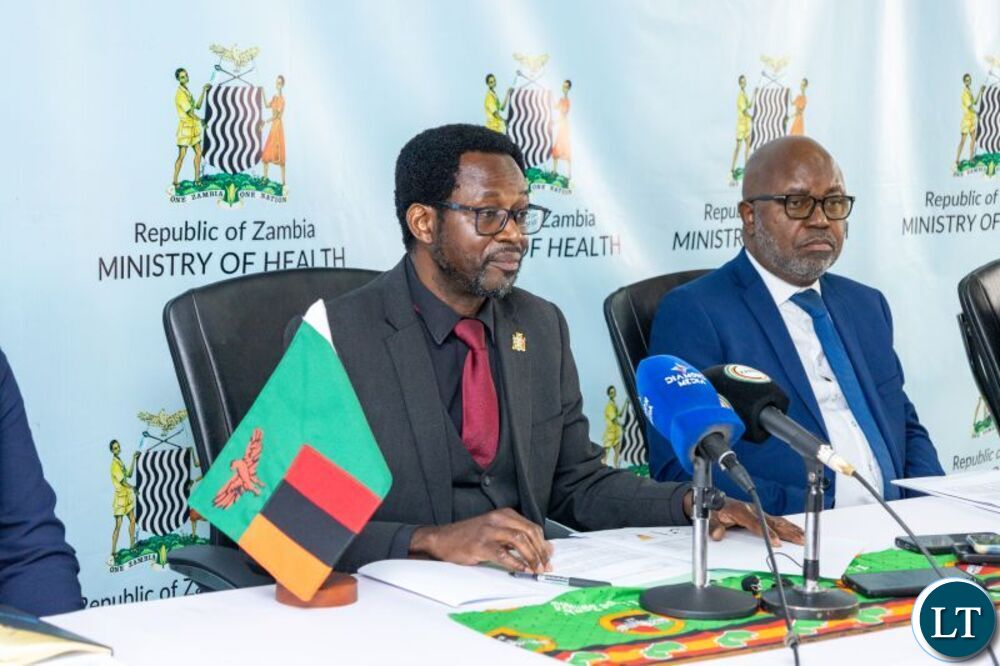
Zambia has not measured its non-communicable disease burden since 2017. A lot has changed. The government has launched a national survey to find out exactly how much.
ZNPHI Director General Professor Roma Chilengi confirmed the launch at a Lusaka media briefing, framing the survey as a direct response to a rapidly growing NCD burden that has outpaced the country's existing health data. Since the last STEPS Survey nine years ago, Zambia has undergone significant economic transitions, rapid urbanisation and lifestyle changes that are well-established drivers of cardiovascular disease, diabetes, cancer and chronic respiratory illness. Without updated, nationally representative data, prevention efforts and resource allocation are necessarily based on outdated assumptions.
The four diseases of primary concern each carry staggering global footprints. Cardiovascular diseases account for approximately 19 million deaths annually worldwide. Cancers account for 10 million. Chronic respiratory diseases cause around 4 million. Diabetes kills over 2 million each year. NCDs together caused at least 43 million deaths globally in 2021, representing 75% of all non-pandemic-related mortality. In Zambia specifically, the economic cost is already measurable: the country loses approximately K2.8 billion annually in treating tobacco-related illnesses alone.
The STEPS Survey methodology is the WHO's globally standardised approach to NCD risk factor surveillance.
It captures data on behavioural risk factors including tobacco and alcohol use, dietary patterns and physical inactivity, as well as biological risk markers such as blood pressure, glucose and cholesterol levels. The standardised design allows Zambia's findings to be benchmarked against regional and global data, strengthening the country's ability to engage international health partners with credible, comparable evidence.
Africa CDC's continental SPARK-NCD Programme, launched in Zanzibar in March 2026, reinforces the urgency of what Zambia is doing nationally. The programme highlighted that nearly 2 million Africans die prematurely each year from hypertension and diabetes complications alone, and that only 10 to 20% of those living with these conditions receive regular care. Surveillance gaps are a fundamental part of why care rates are so low: you cannot treat what you cannot see.
The survey covers all ten provinces with 5,762 participants, a sample designed to produce results representative at both national and provincial levels. When findings are published later in 2026, they are expected to reshape Zambia's health sector planning priorities and provide the evidence base for the country's next Non-Communicable Disease Strategic Plan.
ZAMBIA LAUNCHES SURVEY AMID RISING NON-COMMUNICABLE DISEASES