Before Nollywood: The British Career That Built Olu Jacobs
— Afridiaspo Editorial Desk
Explore Olu Jacobs’ RADA training, British theatre and TV roles, international films, and the professional discipline he later brought to Nollywood.
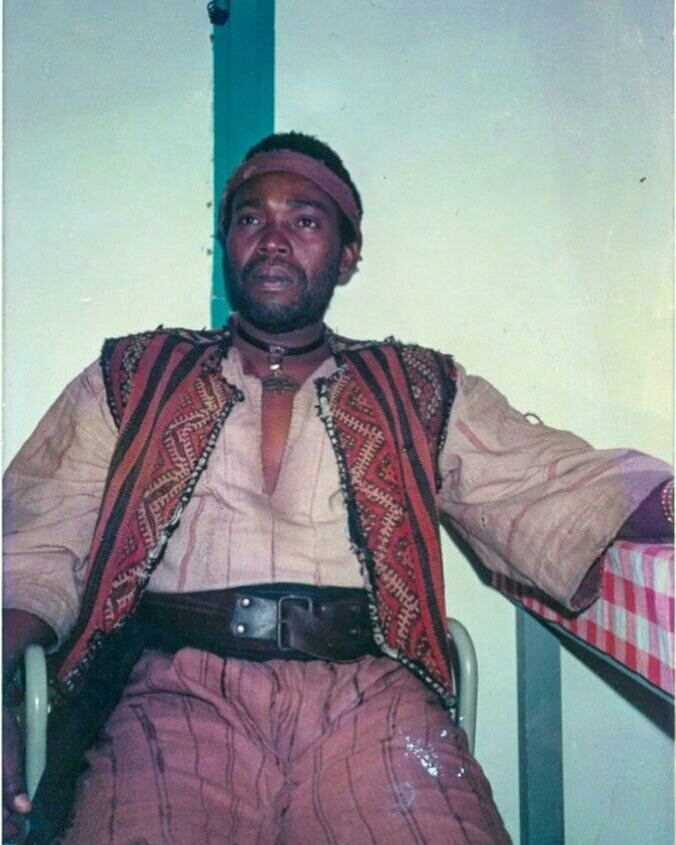
Before millions of African viewers knew Olu Jacobs as the king whose voice could silence a palace, Britain had already tested him. It tested him in repertory theatre, in live performance, in television comedy, hospital drama, political thrillers, science fiction, courtroom drama and children’s fantasy. Long before the word “Nollywood” became a global cultural brand, Jacobs was learning how to enter unfamiliar worlds, find the truth of a character and deliver under the discipline of professional stage and television production.
His death at 84 has rightly produced tributes across Nigeria. But reducing his story to a final announcement would miss the most revealing chapter of his career. Olu Jacobs did not arrive in Nigerian cinema as an actor waiting to be discovered. He returned as an already accomplished international performer—trained at the Royal Academy of Dramatic Art, seasoned in British theatre and television, and visible in major international films.
This is the career that came before Nollywood, and the foundation he later brought home.
From Kano to RADA: choosing the actor’s life
Oludotun Baiyewu Jacobs grew up in Kano and traced the spark for his acting ambition to seeing the legendary Nigerian theatre-maker Hubert Ogunde perform. That encounter mattered: Ogunde showed that an African performer could command a stage, build a company and make theatre a life’s work. Jacobs then travelled to England and trained at London’s Royal Academy of Dramatic Art, one of Britain’s most established conservatoires.
RADA training was more than prestige. It meant voice work, movement, text analysis, rehearsal discipline, ensemble practice and the ability to sustain a character across repeated performances. Those skills later became signatures of Jacobs’ screen acting: the controlled voice, the careful pause, the physical authority and the sense that every line had been examined before it was spoken.
His early British career was rooted in theatre. Records place him in Murderous Angels at the 1971 Dublin Theatre Festival and in A Taste of Honey at Sheffield’s newly opened Crucible Theatre in 1972. Other stage work included Richard’s Cork Leg, Father Zachary Azuka in Black Man’s Country, Obi in A Kind of Marriage, an augurer in the National Theatre’s 1977 Julius Caesar, and Chris Hunter in Old Movies. In 1978 he played President Mageeba in the London production of Tom Stoppard’s Night and Day.
That range is essential to understanding him. Jacobs was not trained only to appear imposing. He learned repertory: how to move from comedy to politics, from classical text to contemporary drama, and from a small supporting part to a role carrying institutional power.
The British television apprenticeship
Most of Olu Jacobs’ British screen career was in television—not feature films. That distinction matters. British television in the 1970s and early 1980s offered a dense working system of single plays, continuing dramas, police series, comedy, science fiction and children’s serials. Jacobs moved through that system repeatedly.
1971–1976: comedy, policing, commerce and hospital drama
His earliest credited British television appearance came in The Goodies, in the 1971 episode “The Lost Tribe of the Orinoco.” The British Film Institute’s archived database identifies him as an on-screen participant. The role was small, but the credit placed a young Nigerian actor inside one of the era’s recognisable television comedies.
In 1974, Jacobs appeared in Till Death Us Do Part, the influential and controversial sitcom built around Alf Garnett. He was credited as a television repairman. The following year brought two more dramatic credits: Motamba in the police series Barlow at Large, in the episode “Protection,” and Mbela in the business drama The Venturers, in “Dangerous and the Lonely Hearts.”
These were not interchangeable “African” appearances. Motamba and Mbela belonged to different genres and story worlds. For a Black actor in 1970s Britain, frequently working against narrow casting expectations, the accumulation of distinct credits was itself a professional achievement.
In 1976, Jacobs played Musa Ladipo across three episodes of the BBC hospital drama Angels. A multi-episode part offered something a one-scene appearance could not: time to build behaviour, relationships and continuity. That year he also played Geoffrey Ademola in The Crezz, another television credit preserved in the BFI catalogue.
1978–1979: science fiction, political dystopia and action television
Jacobs entered children’s science fiction as General Papa Minn in the two-part The Tomorrow People story “The Thargon Menace,” broadcast in 1978. Papa Minn was a named authority figure, and the two-part structure gave Jacobs a larger dramatic footprint than a conventional guest spot.
Also in 1978, he appeared in the dystopian BBC series 1990 as Alan Msawi in “The Market Price.” The series imagined an authoritarian Britain governed by surveillance and bureaucratic control. Jacobs’ presence in that political world is part of a larger pattern in his British career: he was repeatedly trusted with stories about power, states, institutions and men negotiating systems larger than themselves.
In 1979, he played Sylvester in The Professionals, in “The Madness of Mickey Hamilton.” The series was fast, physical and built around action. It demanded a different screen rhythm from theatre or hospital drama—another piece of the versatility he later carried into Nigerian film.
1980–1984: satire, military drama, fantasy and the courtroom
Retrospective filmographies also associate Jacobs with the BBC sketch series Not the Nine O’Clock News. Afridiaspo has included the programme because it forms part of the widely circulated record of his British television work, but no reliable character name was found in the accessible BFI credit archive. Rather than invent a role, the honest conclusion is that this credit requires further confirmation from a surviving BBC programme sheet or episode end titles.
In 1982, Jacobs appeared in the RAF drama Squadron. The BFI catalogue distinguishes two credits: President Gadin in the episode “Independence Day,” and a further cast appearance in “Cyclone.” This is a useful correction to shorter online filmographies that collapse the two entries.
In 1983, he became part of a memorable strand of British children’s fantasy. In TVS’s six-part The Witches and the Grinnygog, he played Twebele Alabaster—often shortened in listings to Mr Alabaster—an African healer who helps resolve the supernatural story. He appeared in five of the six episodes. The serial was later seen outside Britain, extending the international life of the performance.
The same year, Jacobs played David Mazenze in Rumpole of the Bailey, in “Rumpole and the Golden Thread.” The episode takes the barrister Rumpole into an African political and legal crisis. Jacobs’ role placed him inside one of British television’s best-known courtroom dramas, opposite a character famous for interrogating the relationship between law and justice.
His BBC single-play work continued in 1984 with Play for Today: The Amazing Miss Stella Estelle. The BFI credits him as Mr Jones. Play for Today was not a conventional continuing series; it was the BBC’s prestigious anthology strand for self-contained television dramas. An appearance there connected Jacobs to the theatre-derived tradition of serious British television writing.
The international films: four productions, four different worlds
Jacobs’ pre-Nollywood film résumé was shorter than his television résumé, but it placed him in ambitious international productions. These films should not all be described loosely as “British films.” They were produced through different national and commercial arrangements, and they used Jacobs in sharply different roles.
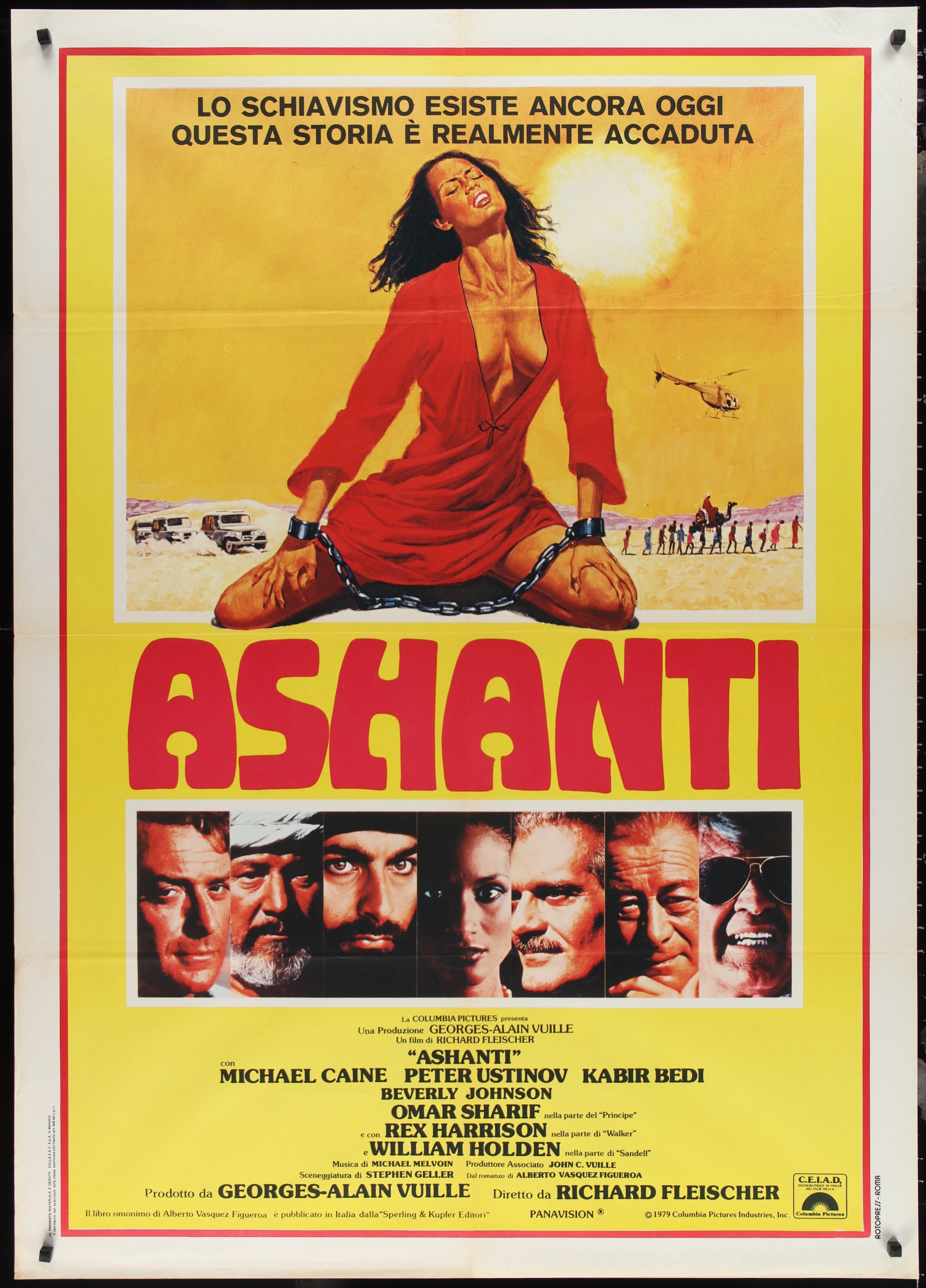
Ashanti (1979): Commissioner Batak
Directed by Richard Fleischer, Ashanti assembled an international cast including Michael Caine, Beverly Johnson, Peter Ustinov, Kabir Bedi, Omar Sharif, Rex Harrison and William Holden. Jacobs played Commissioner Batak. Even in a supporting role, appearing in a production of that scale placed him in a global cast years before Nigerian home video created its own international star system.
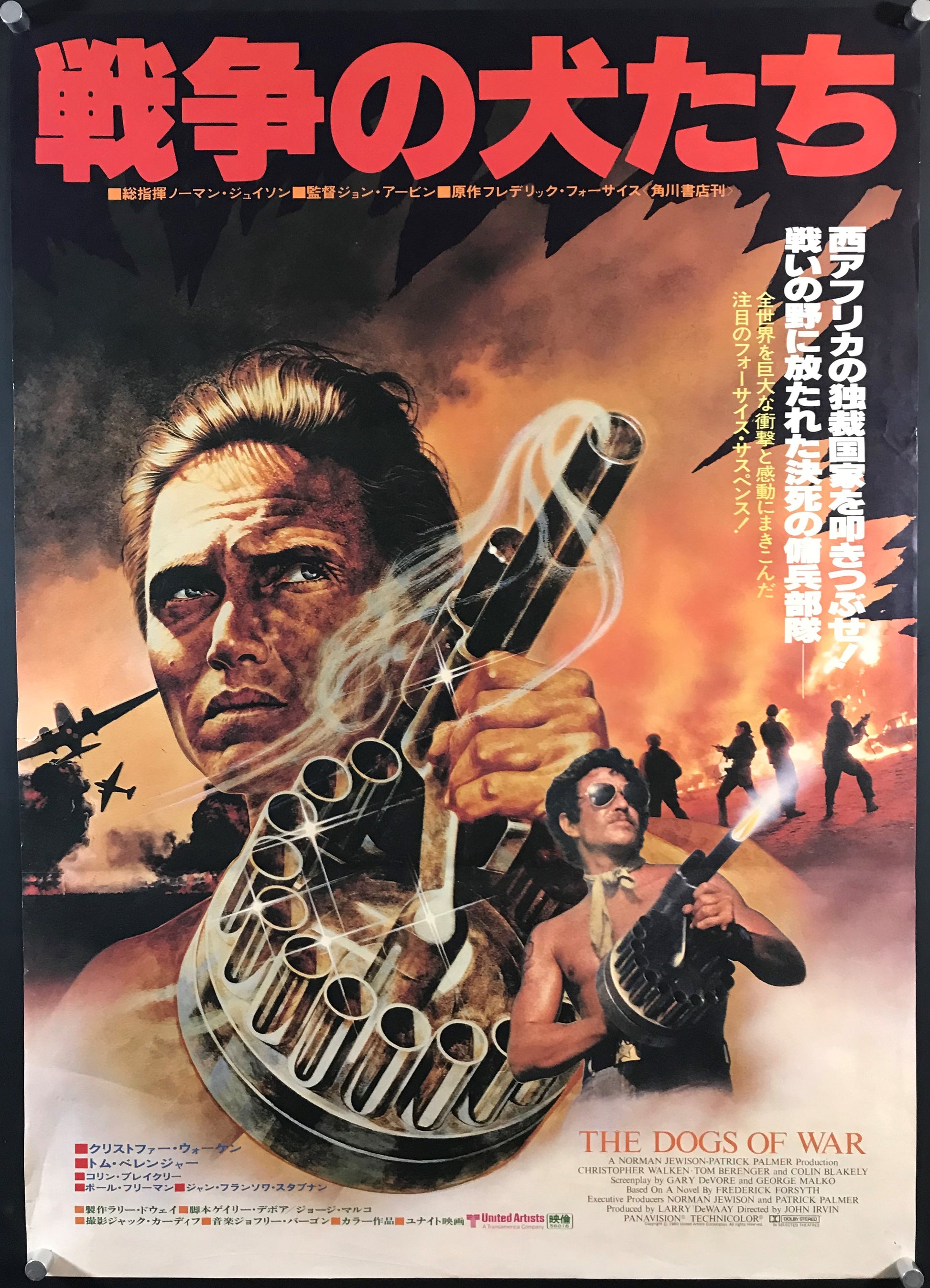
The Dogs of War (1980): Immigration Officer
John Irvin’s adaptation of Frederick Forsyth’s novel starred Christopher Walken and Tom Berenger in a story about mercenaries and a fictional African coup. Jacobs is credited on screen as the Immigration Officer. Some secondary databases—including the archived BFI catalogue—describe the role as “customs officer,” but this article follows the film’s on-screen credit. The distinction is small but important: archival work should preserve what the production actually named.
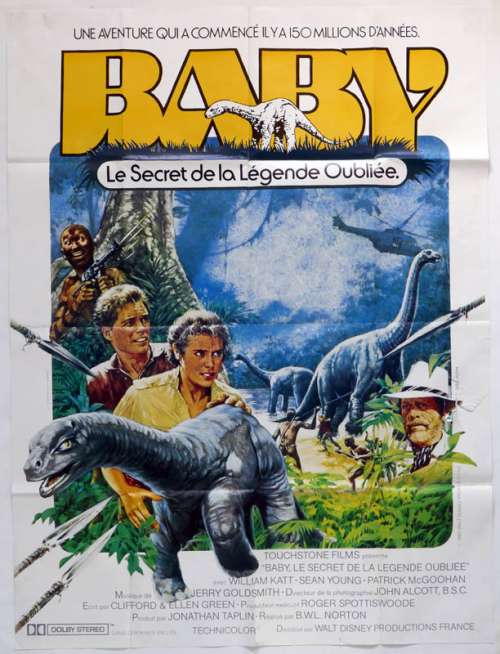
Baby: Secret of the Lost Legend (1985): Colonel Nsogbu
In the Touchstone adventure Baby: Secret of the Lost Legend, Jacobs played Colonel Nsogbu. The film, starring William Katt, Sean Young and Patrick McGoohan, was an American studio adventure shot in Africa—not simply a British production. For Jacobs, the role continued a pattern of playing men located near military or political authority, but within a fantasy-adventure format radically different from his television dramas.
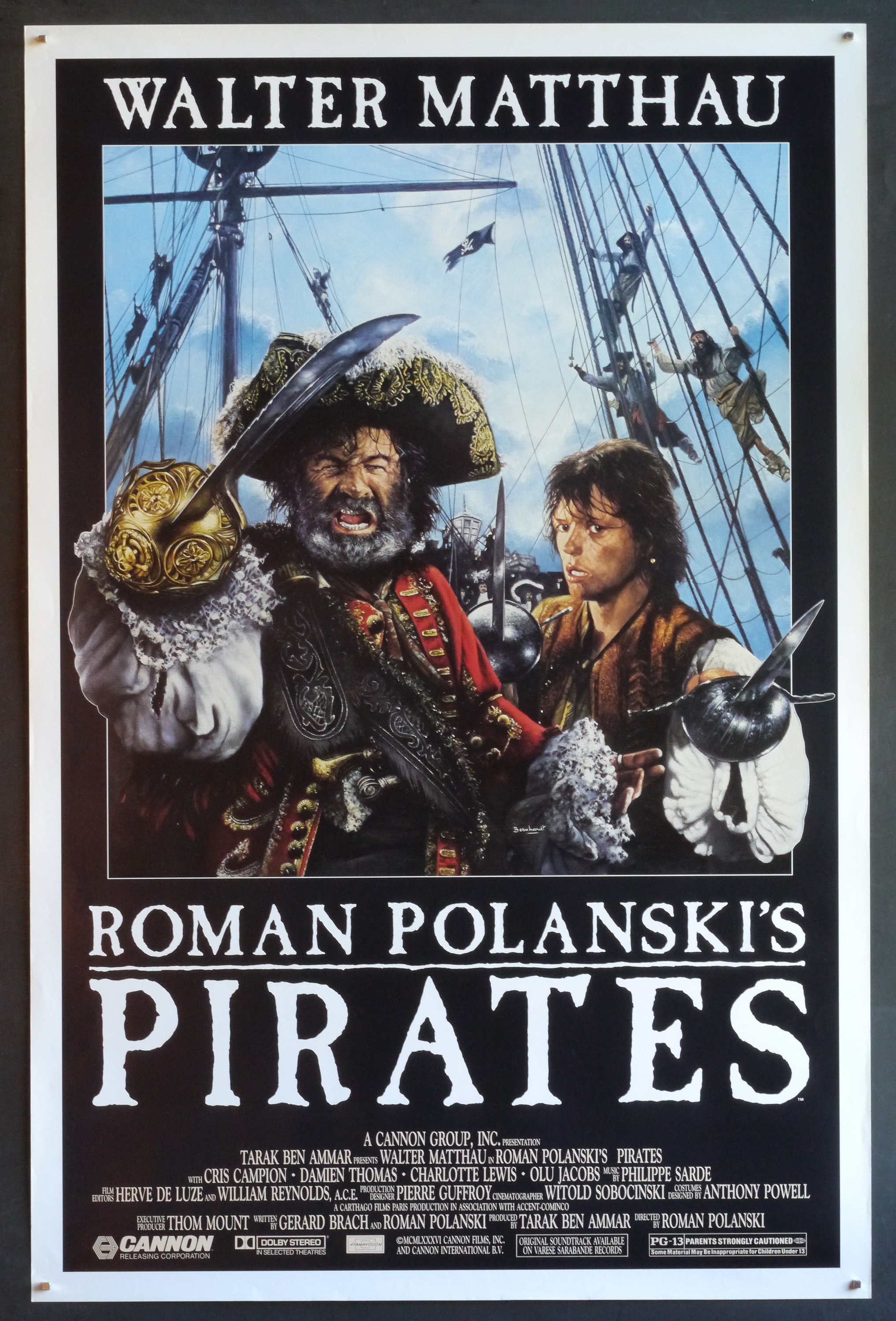
Pirates (1986): Boomako
Roman Polanski’s large-scale European adventure comedy Pirates gave Jacobs one of his most memorable international film credits: Joseph Seraphin Amadeus Boomako, generally known as Boomako. Working within an elaborate period production alongside Walter Matthau demanded physical precision, comic timing and the ability to make a supporting character register amid spectacle. Boomako remains proof that Jacobs’ international screen work extended beyond generic authority figures.
Selected pre-Nollywood timeline
| Year | Production | Medium | Role / note |
|---|---|---|---|
| 1971 | The Goodies | British TV | On-screen participant, “The Lost Tribe of the Orinoco” |
| 1972 | A Taste of Honey | Theatre | The Boy, Crucible Theatre, Sheffield |
| 1974 | Till Death Us Do Part | British TV | Television repairman |
| 1975 | Barlow at Large | British TV | Motamba, “Protection” |
| 1975 | The Venturers | British TV | Mbela |
| 1976 | Angels | British TV | Musa Ladipo, three episodes |
| 1978 | The Tomorrow People | British TV | General Papa Minn, two-part story |
| 1978 | 1990 | British TV | Alan Msawi |
| 1978 | Night and Day | West End theatre | President Mageeba |
| 1979 | Ashanti | International film | Commissioner Batak |
| 1979 | The Professionals | British TV | Sylvester |
| 1980 | The Dogs of War | International film | Immigration Officer |
| c. 1979–82 | Not the Nine O’Clock News | British TV | Credit widely reported; character not verified in accessible BFI record |
| 1982 | Squadron | British TV | President Gadin in “Independence Day”; cast credit in “Cyclone” |
| 1983 | The Witches and the Grinnygog | British TV | Twebele Alabaster, five episodes |
| 1983 | Rumpole of the Bailey | British TV | David Mazenze, “The Golden Thread” |
| 1984 | Play for Today | British TV play | Mr Jones, “The Amazing Miss Stella Estelle” |
| 1985 | Baby: Secret of the Lost Legend | International film | Colonel Nsogbu |
| 1986 | Pirates | International film | Joseph Seraphin Amadeus Boomako |
What he brought home
When Jacobs returned to Nigeria, he did not leave his British career behind. He converted it into working method. His lead role as Inspector Best Idafa in the NTA detective series The Third Eye showed that the transition home was not a retreat from international work; it was the beginning of a second, historically larger chapter.
Nollywood’s early expansion was energetic, inventive and often brutally fast. Productions needed actors who could analyse scripts quickly, control their voices in imperfect sound environments, maintain continuity and arrive prepared. Jacobs had spent years learning exactly those habits. His authority on screen came from talent, but colleagues also remember the discipline behind it.
Kanayo O. Kanayo recalled that if Jacobs was given a 9 a.m. call time, he could be expected by 8:30. He also remembered Jacobs actively teaching younger performers and demanding that actors opposite him prove themselves. That testimony connects the British apprenticeship to the Nigerian legacy: punctuality, preparation, generosity and standards.
The result was not imitation of Britain. Jacobs used international training in service of Nigerian stories. He could bring classical control to a palace drama, psychological detail to a family conflict and institutional weight to a king, chief, father or politician. He helped demonstrate that popular Nigerian cinema did not have to choose between speed and craft.
Olu Jacobs, Joke Silva and the work of building actors
His partnership with Joke Silva extended that philosophy beyond their individual performances. Through the Lufodo Group and the Lufodo Academy of Performing Arts, they invested in production, training and cultural infrastructure. Lufodo’s official history says the group began in 1985 as a stage and film production company and later became a full media and entertainment services company. Its academy is the capacity-building arm, licensed to provide performing and media arts training.
The symbolism is powerful. Jacobs had once travelled abroad to gain structured conservatoire training. Later, he and Silva helped build structures through which younger Nigerian actors could receive disciplined professional preparation at home. Silva’s leadership as performer, director and educator made that work a partnership rather than a footnote to her husband’s career.
Together, they argued through action that acting is not merely charisma caught by a camera. It is a craft that can be taught, rehearsed, analysed and passed forward.
Before Nollywood, there was already an international actor
Olu Jacobs’ British career should not be romanticised as a smooth march to fame. The record shows many guest parts, supporting roles and characters shaped by the limited ways British television imagined Africa and Blackness in that era. But that is precisely why the career matters. He kept working across genres, moved between stage and screen, and built a professional identity inside an industry that did not routinely centre men like him.
By the time Nollywood audiences embraced him, he had already performed at major theatres, entered millions of British homes through television, worked in international films and learned how different production systems demanded different kinds of truth.
That history changes the way we remember him. Olu Jacobs was not simply a Nollywood elder who once worked abroad. He was an international actor before Nollywood existed in its modern form—and when he came home, he brought the discipline, range and confidence of that career into an industry still inventing itself.
His final legacy is therefore larger than the kings he played. It is the standard he carried across borders, the craft he returned with and the generations he and Joke Silva helped prepare to follow.
Sources and archival notes
- British Film Institute archived filmography for Olu Jacobs — principal source for British television and film role verification.
- Royal Academy of Dramatic Art — institution where Jacobs trained.
- Vanguard profile of Olu Jacobs and Pete Edochie — background on Jacobs’ training, Ashanti role and influence.
- Kanayo O. Kanayo’s recollection of Jacobs’ discipline and mentorship, reported by Punch.
- Lufodo Group official history — company and academy development.
- PBS: Rumpole of the Bailey — series and episode archive.
- Related Afridiaspo coverage: “Olu Jacobs: The Lion of Lufodo Leaves a Five-Decade Legacy”.
Image note: All visuals in this article are authentic archival photographs or original distributor poster materials used for editorial identification and credited to their source. No AI-generated image has been presented as a production still, period photograph or poster.